

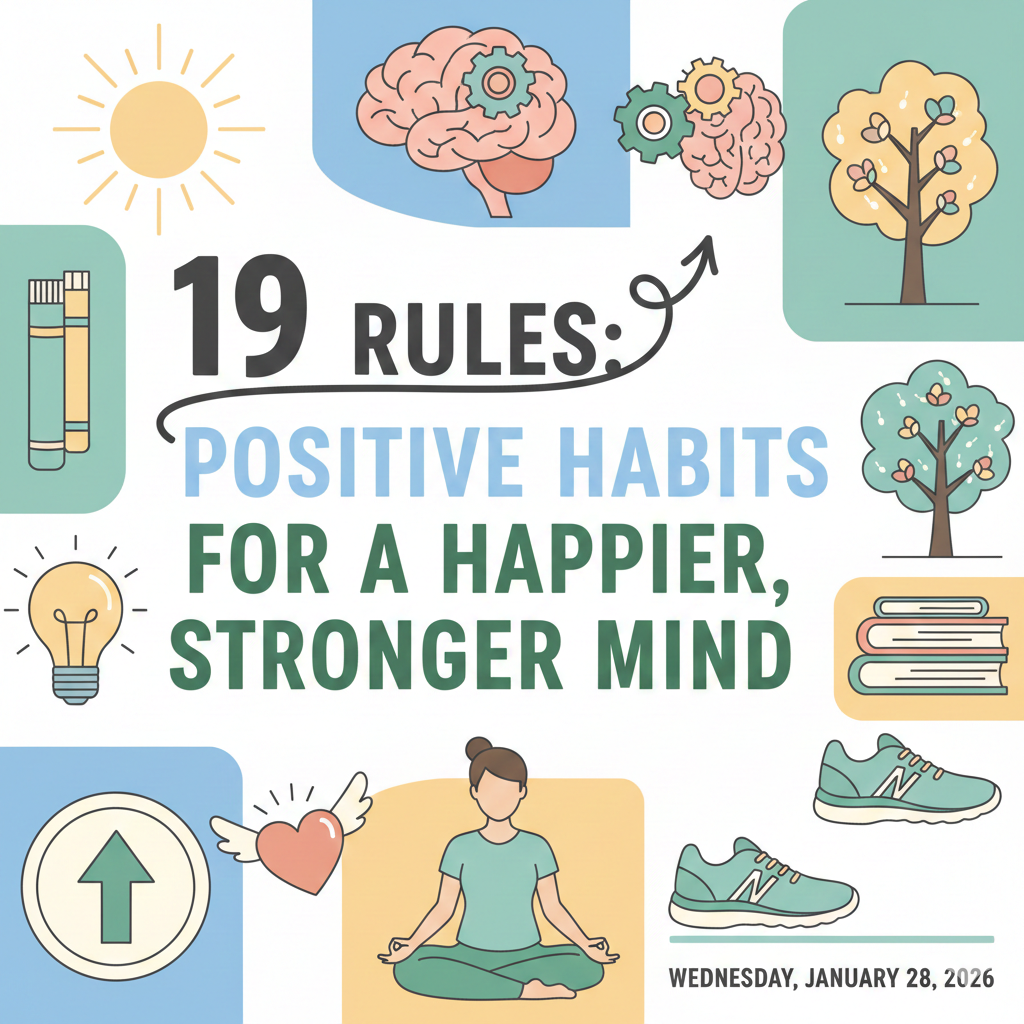
- 1. Reframe Negative Situations with an Optimistic Perspective of Positive thinking
- 2. Create a Positive Environment Around You
- 3. Slow Down to Reduce Stress and Negative Thinking
- 4. Stop Overthinking Before It Becomes a Problem
- 5. Face Fear with Clarity, Not Imagination
- 6. Spread Positivity by Adding Value to Others
- 7. Take Care of Your Body to Strengthen Your Mind
- 8. Learn to Handle Criticism Without Losing Confidence
- 9. Release Emotional Weight Instead of Holding It In
- 10. Start Your Day with Positive Intentions
- 11. Practice Positive Mindful Awareness Throughout the Day
- 12. Use Daily Positivity Reminders
- 13. Stop Negative Thoughts Before Sleep
- 14. Practice Daily Gratitude
- 15. Keep a Simple Gratitude Journal and be positive
- 16. Replace Negative Self-Talk with Encouragement
- 17. Focus on Solutions, Not Problems
- 18. Accept That Some Days Will Be Hard
- 19. Celebrate Small Wins Regularly
- Final Thoughts: Positivity Is a Daily Practice
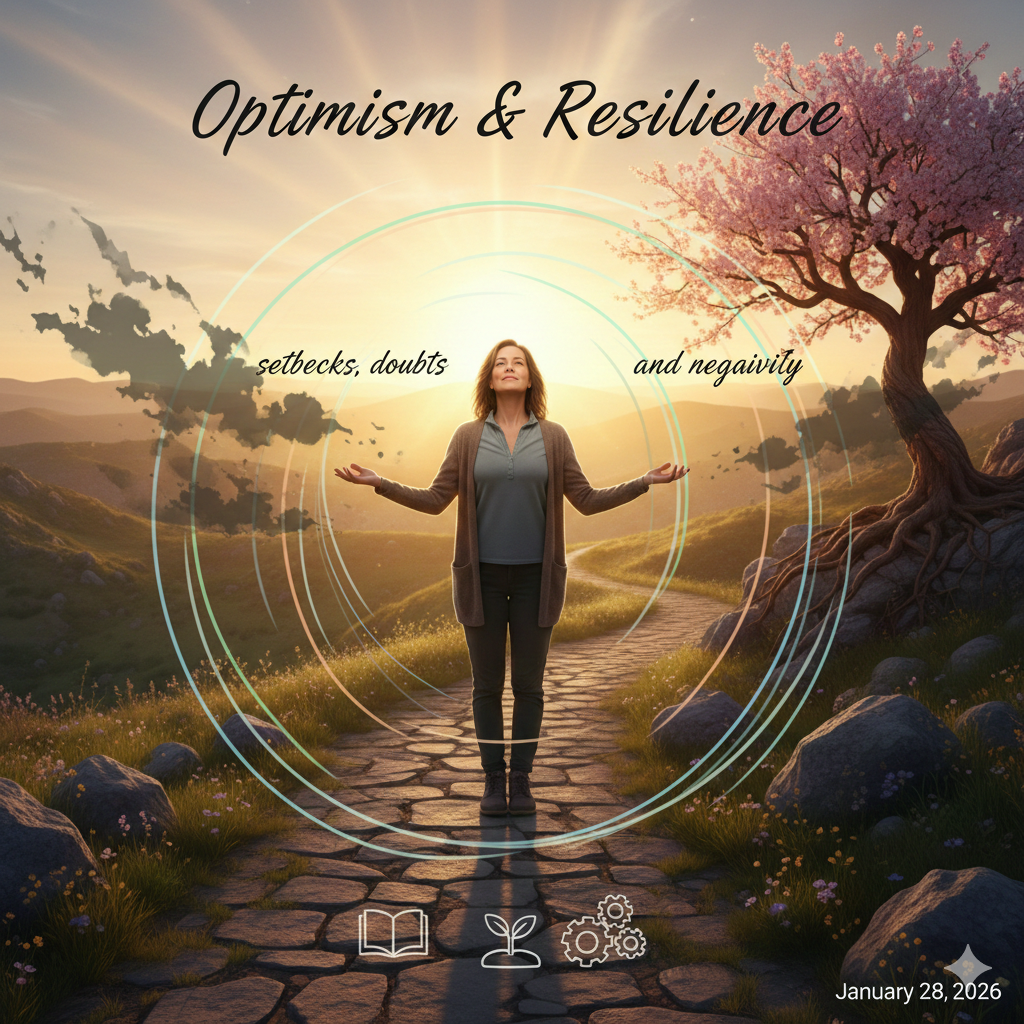
“A positive mental attitude is not about ignoring reality, but about choosing a better response.”
Developing a positive mindset is not something you are born with—it is something you practice daily.
More than 15 years ago, I made a conscious decision to improve my mental attitude, strengthen my positive mindset, and see life with greater optimism and hope. The journey wasn’t instant or easy. There were setbacks, doubts, and moments when negativity tried to creep back in. But step by step, through consistent Positivity habits, I learned how to stay optimistic, resilient, emotionally balanced, and mentally strong, even during life’s most challenging moments.
In this guide, I’m sharing 19 proven positivity habits that can help you:
- Stay positive during stress
- Develop emotional resilience
- Improve mental clarity and confidence
- Build long-term optimism that lasts
Let’s begin.
1. Reframe Negative Situations with an Optimistic Perspective of Positive thinking
One of the most effective positive thinking techniques is asking better questions.
Instead of asking:
- “Why does this always happen to me?”
Ask:
- What is one positive lesson here?
- What opportunity can come from this situation?
This mindset shift trains your brain to look for solutions instead of problems—a core habit of optimistic people.
2. Create a Positive Environment Around You
Your mental environment matters more than you think.
Ask yourself:
- Who drains my energy?
- What content makes me anxious or negative?
Reduce exposure to negativity and increase time with:
- Positive people
- Uplifting podcasts, books, or videos
- Constructive conversations
Your mindset reflects what you consistently consume.
3. Slow Down to Reduce Stress and Negative Thinking
Rushing creates stress. Stress fuels negativity.
When you slow your pace—even for a few minutes—your mind naturally becomes calmer and more focused. Slower breathing, slower walking, and mindful eating can instantly improve your mental clarity and emotional balance.
4. Stop Overthinking Before It Becomes a Problem
Small problems often grow because we replay them endlessly in our minds.
Use this simple reset:
- Say “STOP” mentally when negative thoughts start looping
- Take deep belly breaths for 1–2 minutes
- Ask: “Will this matter in 5 weeks or 5 years?”
Most of the time, the answer is no.
5. Face Fear with Clarity, Not Imagination
Fear often survives on uncertainty.
Ask yourself:
- What is the worst realistic outcome?
- How would I handle it if it happened?
Clarity shrinks fear. Action builds confidence.
6. Spread Positivity by Adding Value to Others
Positive energy grows when shared.
You can spread positivity by:
- Helping someone
- Listening without judgment
- Encouraging others
- Sharing knowledge or inspiration
What you give out emotionally often returns amplified.
7. Take Care of Your Body to Strengthen Your Mind
Mental positivity is deeply connected to physical health.
Prioritize:
- Regular exercise
- Quality sleep
- Balanced nutrition
A tired body creates a negative mind. A healthy body supports optimism.
8. Learn to Handle Criticism Without Losing Confidence
Criticism is unavoidable if you want to grow.
Healthy response steps:
- Pause before reacting
- Look for useful feedback
- Remember it’s not always personal
- Respond calmly—or let it go
This builds emotional maturity and resilience.
9. Release Emotional Weight Instead of Holding It In
If something keeps bothering you:
- Talk it out with someone you trust
- Write your thoughts down
- Focus on strengthening self-esteem
Strong self-worth reduces the impact of negativity.
10. Start Your Day with Positive Intentions
Your morning sets the emotional tone for your day.
Simple positive morning habits:
- Read something inspiring
- Listen to uplifting audio
- Avoid negative news early
- Move slowly and mindfully
Positive mornings lead to productive days.
11. Practice Positive Mindful Awareness Throughout the Day
Staying present reduces anxiety and overthinking.
Reconnect with the moment by:
- Noticing sounds, smells, and sensations
- Paying attention to breathing
- Observing without judgment
Mindfulness strengthens emotional balance.
12. Use Daily Positivity Reminders
Motivation fades without reminders.
Use:
- Phone notes
- Sticky notes
- Calendar alerts
Keep 1–3 positivity habits visible every day.
13. Stop Negative Thoughts Before Sleep
Nighttime overthinking steals peace.
Tell yourself:
“This can wait until tomorrow.”
Most worries lose their power after rest.
14. Practice Daily Gratitude
Gratitude rewires your brain for positivity.
Reflect on:
- Food, shelter, and safety
- Clean water
- Supportive people
Gratitude shifts focus from lack to abundance.
15. Keep a Simple Gratitude Journal and be positive
Spend 3–5 minutes daily writing:
- 3 things you’re grateful for
- 3 people you appreciate
- 3 personal strengths
This habit improves long-term happiness.
16. Replace Negative Self-Talk with Encouragement
Your inner voice matters.
When negativity appears:
- Interrupt it
- Replace it with supportive language
- Acknowledge effort, not perfection
Positive self-talk builds confidence and motivation.
17. Focus on Solutions, Not Problems
Use the 80/20 rule:
- 20% analyzing the problem
- 80% finding solutions
Progress creates positivity.
18. Accept That Some Days Will Be Hard
Not every day will feel good—and that’s normal.
Accepting ups and downs:
- Reduces self-judgment
- Builds emotional resilience
- Prevents burnout
Positivity doesn’t mean perfection.
19. Celebrate Small Wins Regularly
Small victories build momentum.
Celebrate:
- Taking action
- Consistency
- Effort, not just results
Reward yourself intentionally—it fuels motivation.
Final Thoughts: Positivity Is a Daily Practice
A positive mindset is not about pretending everything is fine. It’s about choosing growth, clarity, and resilience—even when life feels heavy.
Start small. Pick one habit from this list and practice it consistently.
Over time, positivity becomes your natural state.