

- Understanding Workplace Diversity
- Dimensions of Diversity
- How Workplace Diversity Drives Success
- Cultivating an Inclusive Culture
- Strategies for Enhancing Workplace Diversity
- Mentorship and Development Programs
- Workforce Diversity and Organizational Performance
- Leadership’s Role in Diversity and Inclusion
- The Modern Workplace and Global Perspectives
In today’s dynamic business environment, organizations that embrace diversity in the workplace outperform those that do not. Diversity goes beyond surface-level traits like gender, ethnicity, or age. It includes a range of experiences, skills, perspectives, and thinking styles. When organizations recognize and value these differences, they unlock creativity, innovation, and engagement.
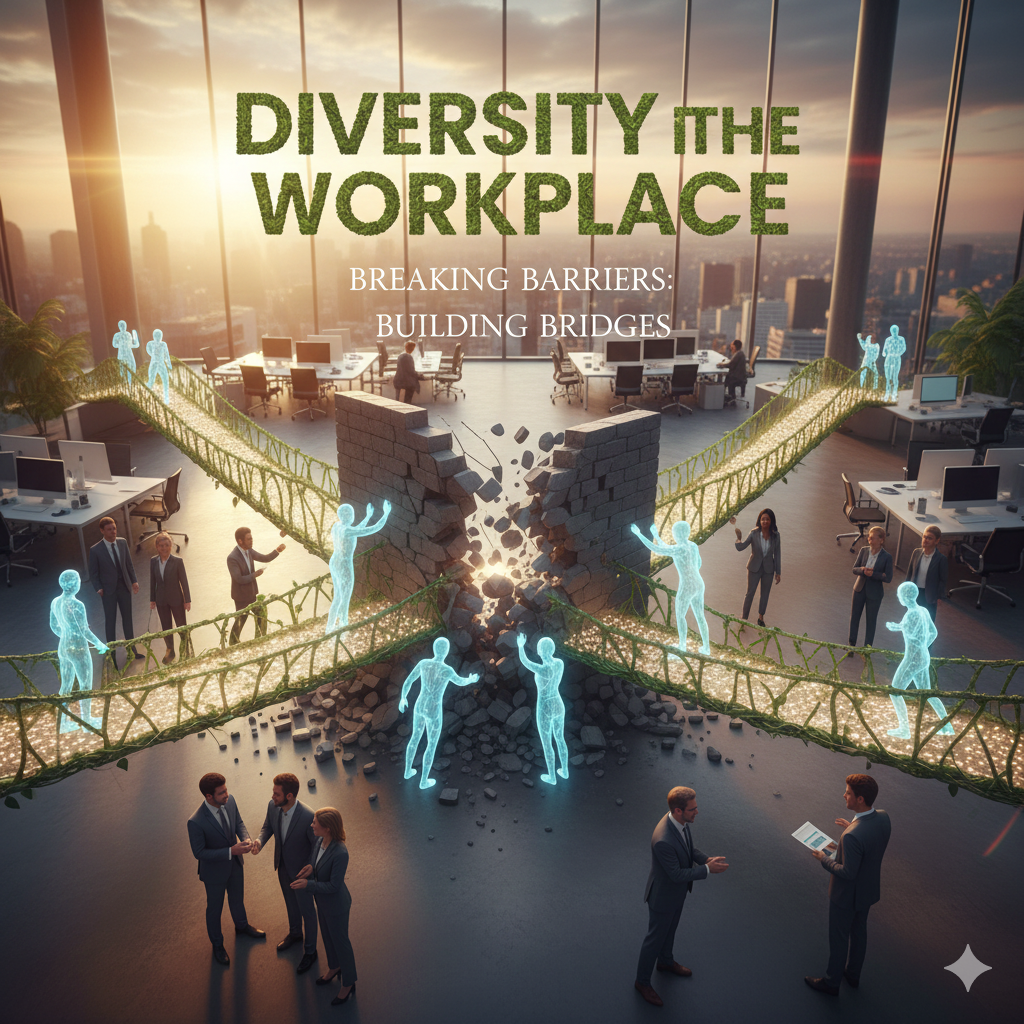
Moreover, diversity helps companies navigate global markets, meet customer expectations, and respond effectively to challenges. Breaking barriers and building bridges among employees fosters an inclusive environment where collaboration thrives. This blog explores the impact of workplace diversity, the challenges it presents, and practical ways organizations can create inclusive, high-performing teams.
Understanding Workplace Diversity
Workplace diversity encompasses the variety of characteristics, experiences, and perspectives employees bring to an organization. Recognizing these differences allows organizations to leverage strengths, improve collaboration, and drive better outcomes.
Dimensions of Diversity
Diversity includes multiple dimensions, including:
Demographic Diversity: Variations in gender, age, race, ethnicity, and nationality.
Experiential Diversity: Differences in education, skills, career paths, and work experience.
Cognitive Diversity: Unique thinking styles, problem-solving approaches, and creativity.
Cultural Diversity: Distinct values, traditions, and worldviews.
By acknowledging all these dimensions, organizations create a workforce capable of addressing complex challenges from multiple angles.
How Workplace Diversity Drives Success
Diverse teams outperform homogeneous ones in several areas. From innovation to productivity, embracing diversity has measurable benefits.
Innovation and Creativity
Innovation emerges when employees contribute unique perspectives. Different backgrounds encourage fresh ideas, challenge conventional thinking, and prevent stagnation. Consequently, teams develop creative solutions to complex problems.
Moreover, diversity fosters experimentation. Employees feel safe sharing unconventional ideas, leading to breakthrough innovations. Organizations that prioritize diverse perspectives gain a competitive edge in product development, service design, and market strategy.
Enhanced Problem-Solving
Teams with diverse experiences solve problems faster and more effectively. Multiple viewpoints allow teams to anticipate potential issues, identify risks, and explore alternative solutions.
Additionally, diversity reduces groupthink. Instead of following one dominant perspective, teams analyze decisions critically, leading to better outcomes. As a result, productivity and decision-making improve across the organization.
Increased Employee Engagement
Diversity strengthens employee engagement. When individuals feel respected and included, they contribute actively and invest in organizational goals.
Furthermore, inclusive workplaces promote collaboration and trust. Employees share knowledge, support each other, and celebrate achievements collectively. This positive environment enhances performance and reduces turnover.
Breaking Barriers in the Workplace
Despite the benefits, diversity presents challenges that organizations must address proactively. Barriers such as unconscious bias, communication gaps, and resistance to change can hinder inclusion efforts.
Unconscious Bias
Employees and leaders may unintentionally favor people similar to themselves. These biases can affect hiring, promotions, and team dynamics, reducing opportunities for talented individuals from diverse backgrounds.
Organizations must implement training programs to raise awareness and minimize bias. Encouraging diverse interview panels, transparent decision-making, and inclusive evaluation criteria also helps create fairness.
Communication Challenges
Differences in language, cultural norms, and communication styles can lead to misunderstandings. Miscommunication may slow collaboration, create conflict, or reduce productivity.
Organizations can address these challenges by providing cross-cultural training, promoting active listening, and encouraging open dialogue. Teams that communicate effectively maximize the benefits of diversity.
Resistance to Change
Some employees may resist diversity initiatives, perceiving them as unnecessary or threatening. Resistance can slow implementation and limit impact.
Leaders must communicate the value of diversity clearly, highlighting benefits such as innovation, collaboration, and career growth. When employees understand the connection between diversity and organizational success, they are more likely to embrace inclusive practices.
Building Bridges Through Inclusion
Inclusion complements diversity by creating a culture where everyone feels valued, respected, and empowered. While diversity focuses on differences, inclusion ensures those differences contribute meaningfully to the organization.
Cultivating an Inclusive Culture
Inclusive workplaces foster collaboration and mutual respect. Leaders can promote inclusion by:
Encouraging diverse teams to work on projects together
Celebrating employee achievements and perspectives
Providing mentorship opportunities for underrepresented groups
Supporting employee resource groups and affinity networks
By nurturing inclusion, organizations create an environment where employees feel safe sharing ideas and contributing fully.
Empowering Employees
Inclusion empowers employees to leverage their strengths and pursue growth opportunities. Employees who feel supported are more confident, engaged, and productive.
Moreover, inclusive workplaces attract top talent. High-performing professionals seek environments where their contributions are valued and differences respected.
Strategies for Enhancing Workplace Diversity
Organizations that actively implement diversity initiatives experience stronger performance and higher employee satisfaction. Practical strategies include:
Inclusive Recruitment
Recruit candidates from diverse backgrounds using unbiased job descriptions and multiple sourcing channels. Ensure interview panels reflect diversity to create fair assessment processes.
By recruiting inclusively, organizations build teams that bring varied perspectives and capabilities.
Diversity Training Programs
Provide employees with training on cultural awareness, bias reduction, and inclusive behaviors. Training helps individuals understand differences, communicate effectively, and collaborate efficiently.
Mentorship and Development Programs
Mentorship programs support underrepresented employees and promote leadership development. These programs build skills, confidence, and long-term career growth, contributing to organizational success.
Regular Measurement and Feedback
Track diversity metrics, such as employee demographics, engagement levels, and retention rates. Use feedback to identify gaps and improve diversity initiatives continuously.
Workforce Diversity and Organizational Performance
Organizations that embrace diversity outperform competitors in multiple ways. Diverse teams contribute to innovation, decision-making, and market adaptability.
Innovation and Market Competitiveness
Diverse teams understand diverse customers. They can design products and services that cater to a broader audience, improving customer satisfaction and expanding market reach.
Talent Attraction and Retention
Inclusive workplaces attract and retain top talent. Employees prioritize organizations that demonstrate fairness, respect, and career growth opportunities. Lower turnover leads to knowledge retention and consistent productivity.
Better Decision-Making
Diverse teams make well-informed decisions. Considering multiple perspectives reduces errors, improves strategies, and enhances organizational resilience. As a result, companies operate more efficiently and achieve long-term goals.
Leadership’s Role in Diversity and Inclusion
Leadership plays a critical role in fostering diversity and inclusion. Leaders set the tone, model inclusive behavior, and hold teams accountable for diversity goals.
Leading by Example
Leaders demonstrate respect, openness, and inclusivity. Employees observe and emulate these behaviors, shaping workplace culture.
Promoting Equity
Leaders must ensure equal access to career development, promotions, and recognition. Fair treatment motivates employees to contribute fully, improving overall productivity.
Communicating the Value of Diversity
Leaders should highlight how diversity drives innovation, engagement, and performance. Clear communication helps employees understand the strategic importance of diversity initiatives.
The Modern Workplace and Global Perspectives
The globalized business environment requires organizations to embrace diversity proactively. Cultural awareness, collaboration across borders, and inclusive practices enable companies to succeed internationally.
Diverse teams bring insights from different markets, helping organizations anticipate trends, respond to challenges, and create competitive advantage. Workforce diversity becomes not only a social responsibility but also a business imperative.