


The narrative of artificial intelligence has officially shifted. While 2023 and 2024 were defined by “Generative AI”—where humans prompted a model to create text or images—2025 has ushered in the era of Agentic AI. Unlike standard chatbots that require constant hand-holding, AI Agents are designed to execute complex, multi-step tasks independently. By integrating autonomous AI workflows, businesses are moving away from simple “ask-and-receive” interactions toward “set-and-forget” productivity.
Defining the AI Agent: From Assistants to Employees
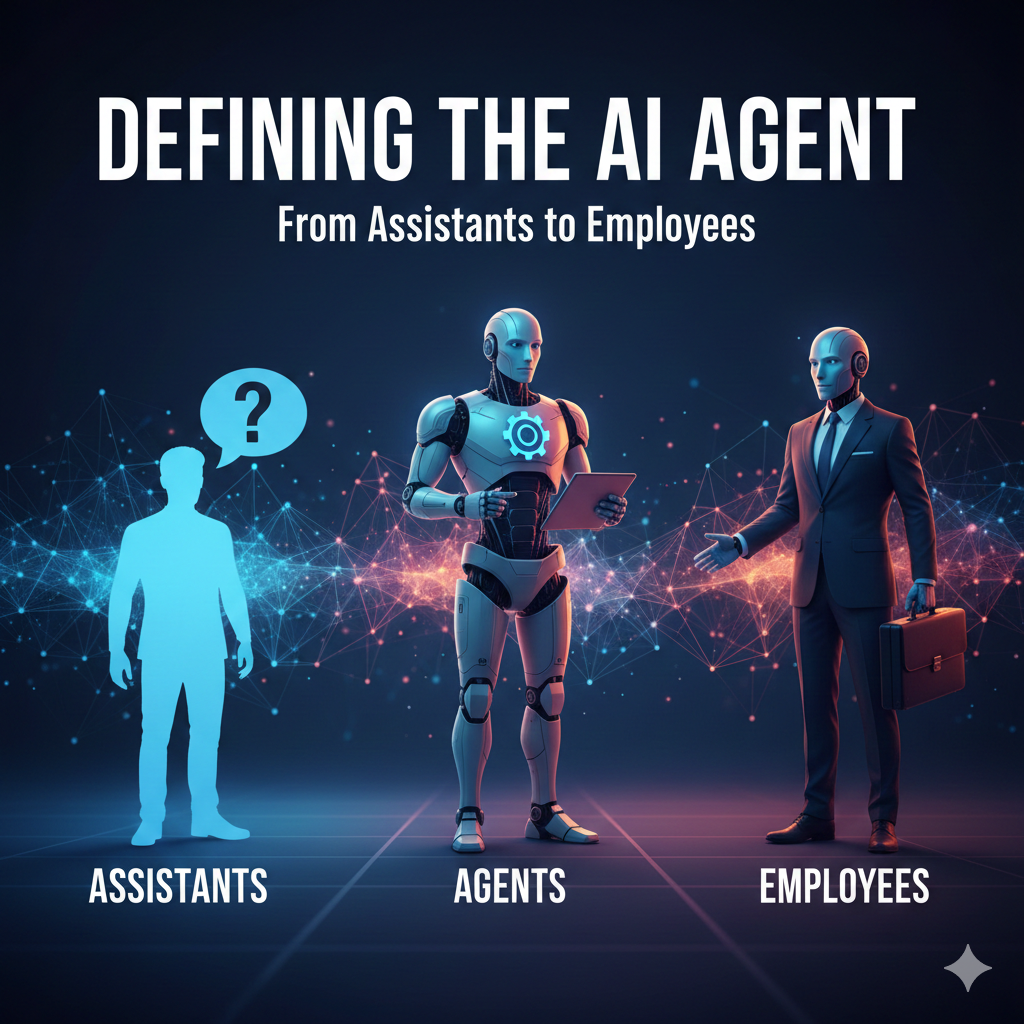
At its core, an AI Agent is an autonomous system that uses a Large Language Model (LLM) as its “brain” to reason, plan, and use tools. While a standard AI might write an email for you, an AI Agent will identify who needs to receive the email, research their recent company news, draft the message, and schedule it in your CRM without being told each individual step.
The Anatomy of Agentic Workflows
The power of these agents lies in autonomous AI workflows. These workflows allow agents to:
- Reason: Break down a high-level goal into smaller sub-tasks.
- Use Tools: Access external APIs, search the web, or execute code.
- Self-Correct: Review their own work and fix errors before finalizing a task.
Industry Spotlight: Where AI Agents are Dominating
The impact of autonomous agents is most visible in data-heavy and process-oriented industries. Here is how they are reshaping specific sectors:
Supply Chain and Logistics
In the logistics sector, AI Agents act as autonomous dispatchers. They monitor real-time weather patterns, traffic data, and fuel prices to reroute fleets dynamically. By managing autonomous AI workflows in the supply chain, companies can reduce human intervention in routine scheduling by up to 80%, allowing human managers to focus only on high-level exceptions.
Healthcare and Patient Management
Healthcare providers are using agents to bridge the gap between patient data and clinical action. AI Agents can autonomously scan laboratory results, cross-reference them with a patient’s medical history, and flag potential risks to a doctor—even drafting the necessary follow-up appointment notes.
Software Development (DevOps)
In the tech industry, “Agentic Coding” is the new standard. Autonomous workflows now allow agents to scan a codebase for vulnerabilities, write the patch, test it in a sandbox environment, and submit a pull request for human review, drastically shortening the development lifecycle.
The Path to Implementation: Scalability and Trust
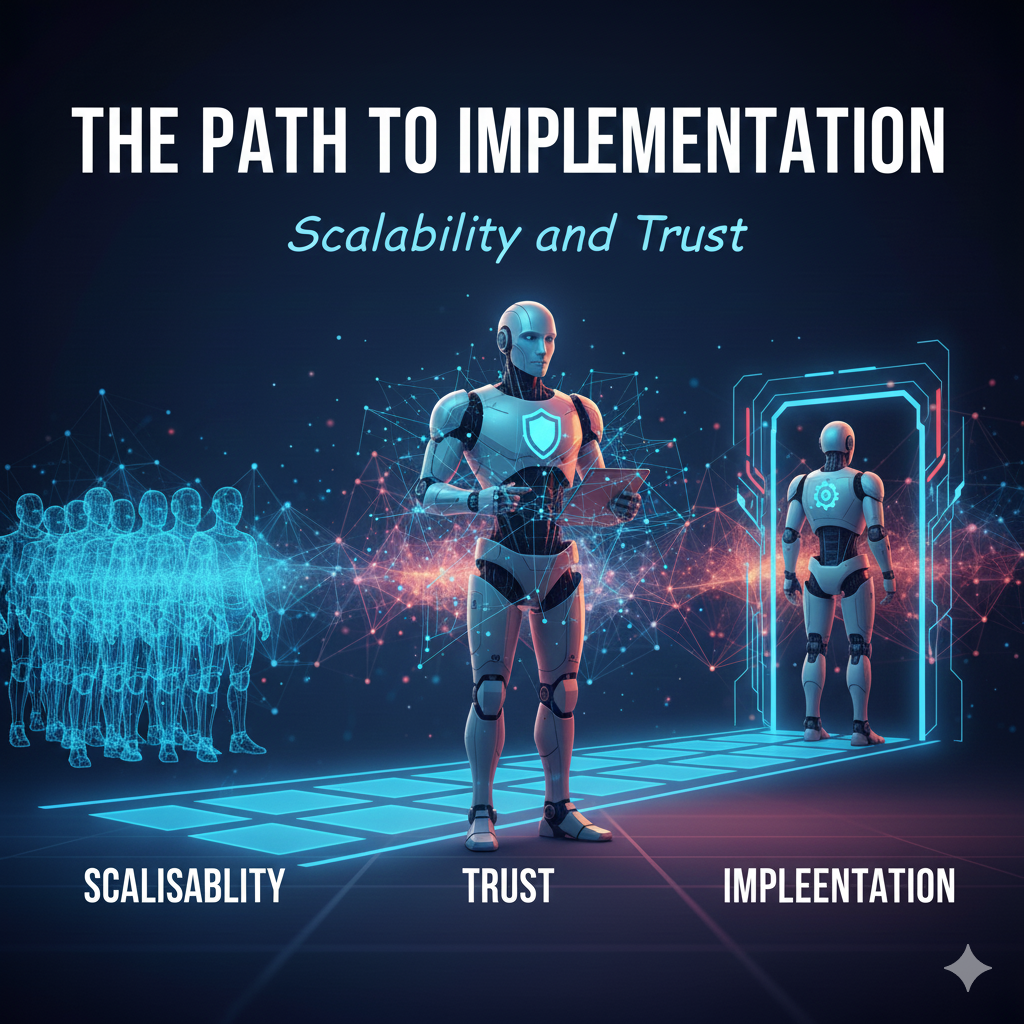
To successfully deploy AI Agents for industry, organizations must focus on “Human-in-the-loop” (HITL) systems. While the goal is autonomy, maintaining a layer of human oversight ensures that agents remain aligned with company ethics and security protocols.
As we look toward 2026, the competitive advantage will no longer belong to those who use AI to write better, but to those who build autonomous AI workflows that work while the humans are asleep. The transition from tools to teammates is here.