

- Historical Background of the Kashmir Conflict
- Why Kashmir Day is Observed
- Kashmir in 2026: A Complex Reality
- The Human Side of the Conflict on Kashmir Day 2026
- The Role of Dialogue and Diplomacy on kashmir day 2026
- Media and Public Awareness in the Digital Age on kashmir day 2026
- Hope for the Future on kashmir day 2026
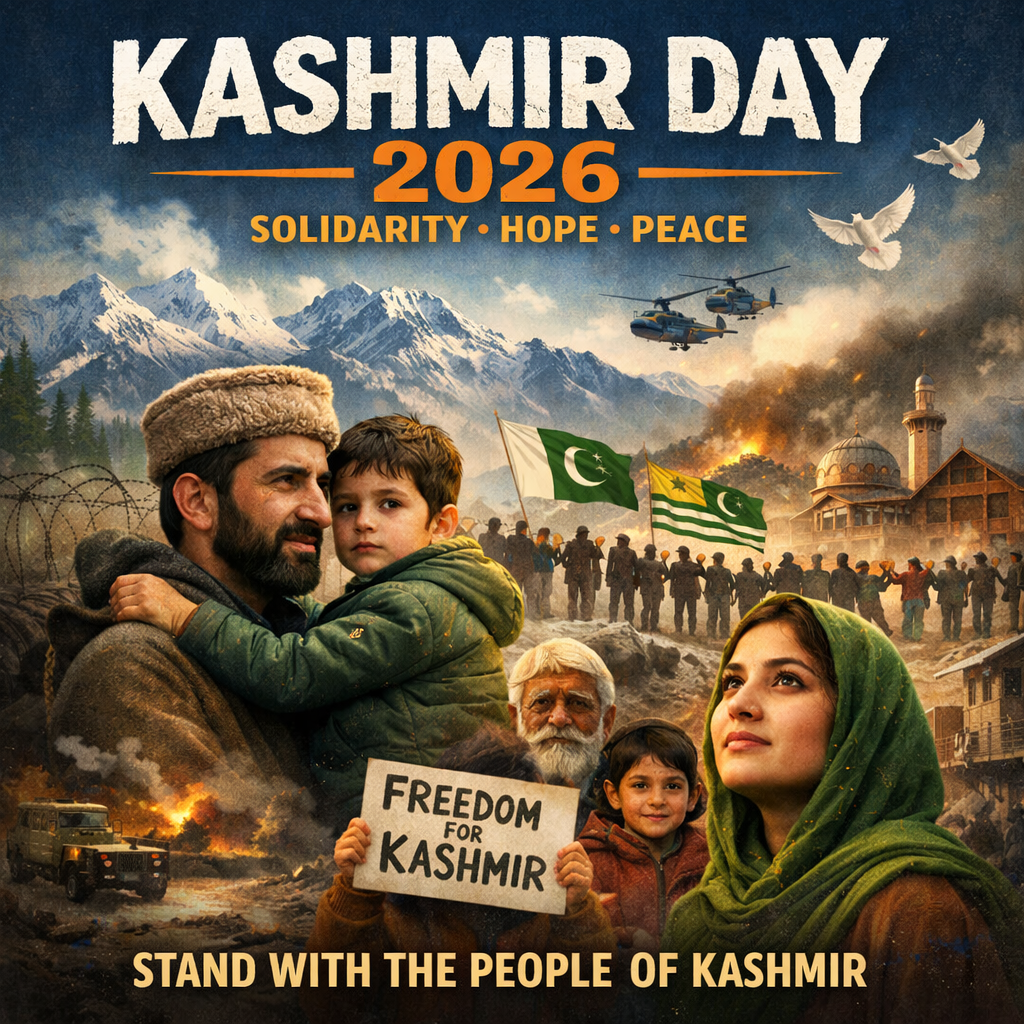
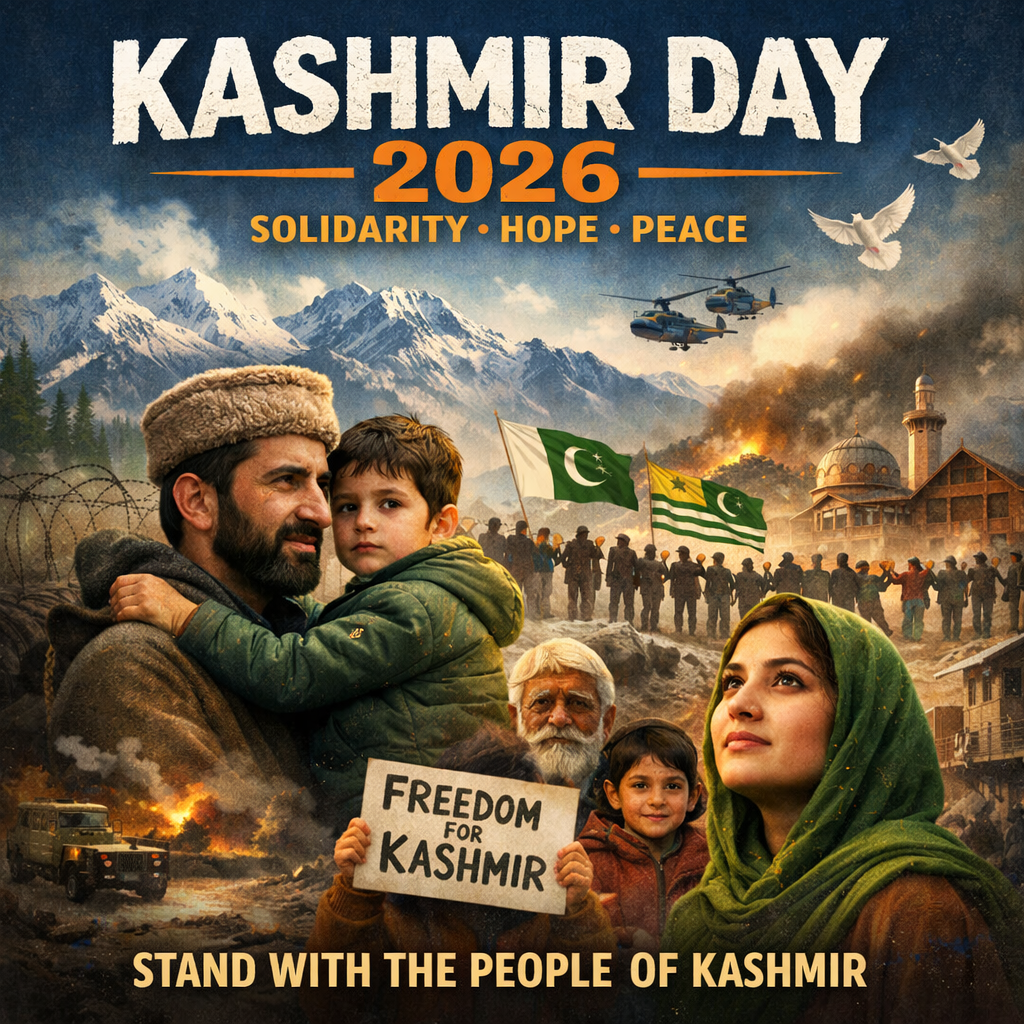
Every year on February 5, Kashmir Day 2026—also known as Kashmir Solidarity Day—is observed to express solidarity with the people of Kashmir and to raise awareness about the long-standing conflict in the region. In 2026, the day carries renewed importance as global discussions around human rights, peace, and regional stability continue to evolve.
Kashmir Day is not just a political observance; for many, it represents empathy, remembrance, and hope for a peaceful future for generations whose life experiences have been shaped by years of uncertainty and conflict in the region.
Historical Background of the Kashmir Conflict
The roots of the Kashmir issue trace back to 1947, when British India was divided into two independent nations—India and Pakistan. The princely state of Jammu and Kashmir, with a Muslim-majority population ruled by a Hindu monarch, became the center of dispute after accession decisions and subsequent wars between the two nations.
Over the decades, the region has witnessed:
- Military confrontations,
- Political disputes,
- Civil unrest,
- Migration and displacement,
- And ongoing diplomatic tensions between India and Pakistan.
These events have deeply influenced the life experiences of millions of families, shaping generations that have grown up amid political uncertainty.
Multiple attempts at dialogue and international mediation have occurred, yet a lasting resolution remains elusive.
Why Kashmir Day is Observed
Kashmir Day is observed to:
- Express solidarity with the Kashmiri people.
- Highlight humanitarian and human rights concerns.
- Encourage peaceful dialogue and diplomatic solutions.
- Promote awareness about the historical and political context of the conflict and its impact on everyday life experiences.
In Pakistan, the day is marked by public events, media discussions, educational programs, and symbolic gestures such as human chains to demonstrate unity and support.
Kashmir in 2026: A Complex Reality
In 2026, Kashmir remains a complex geopolitical and humanitarian issue shaped by politics, security concerns, and the aspirations of people living in the region.
Key realities influencing discussions include:
- Ongoing security challenges,
- Economic and developmental concerns,
- Communication and political freedoms debates,
- Regional diplomatic tensions,
- The everyday life experiences of civilians caught between political narratives.
The voices and lived experiences of ordinary people—families, students, workers, and business owners—often receive less attention than political developments, yet they remain central to understanding the issue.
The Human Side of the Conflict on Kashmir Day 2026
Behind every political headline are real human stories and life experiences shaped by resilience and survival, including:
- Families separated by conflict,
- Youth growing up amid uncertainty,
- Communities striving for stability and opportunity.
Education, employment, healthcare access, and freedom of movement remain critical concerns for residents in many areas. For many observers, sustainable peace must address these human needs alongside political negotiations.
The Role of Dialogue and Diplomacy on kashmir day 2026
Experts widely agree that long-term stability requires:
- Continued diplomatic engagement,
- Confidence-building measures,
- Respect for human rights,
- Economic cooperation,
- And inclusion of local voices and lived life experiences in peace processes.
Peace efforts often face setbacks, but history shows that dialogue remains essential for resolving prolonged conflicts.
Media and Public Awareness in the Digital Age on kashmir day 2026
In 2026, social media and digital platforms play a major role in shaping opinions about Kashmir. Digital awareness campaigns now frequently highlight personal stories and life experiences to bring global attention to the human dimension of the issue.
However, misinformation and emotionally charged narratives can also deepen divisions. Responsible journalism and informed public discourse are increasingly important to foster understanding rather than polarization.
Hope for the Future on kashmir day 2026
Despite decades of tension, hope for peace remains strong among people across the region and the diaspora. Many believe that future generations deserve:
- Stability,
- Economic opportunity,
- Cultural preservation,
- And peaceful coexistence shaped by positive life experiences rather than conflict.
Kashmir Day serves as a reminder that conflict resolution is not only about borders and politics but about ensuring dignity, opportunity, and better life experiences for people.