

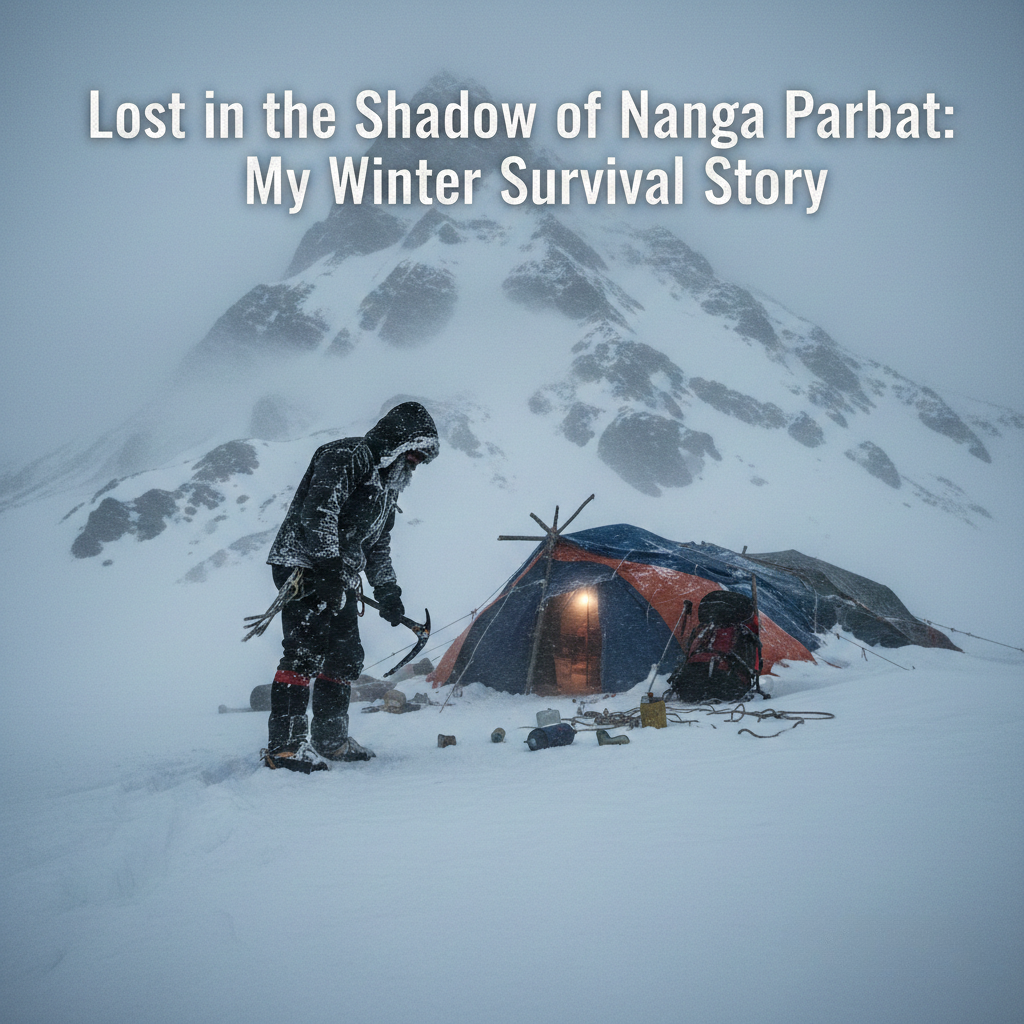
As the crisp in winter 2026 bit at my cheeks, I found myself recounting a tale of adventure, misadventure, and ultimately, triumph. It all began on a chilly evening, a steaming cup of tea in hand, when a call from a colleague sparked an unexpected journey.
“Fairy Meadows?” he asked. Without a moment’s hesitation, my answer was a resounding yes. I was an office worker in the tourism industry and had never led an expedition, but I took the leap of faith to lead a group of ten.
From Sharan Forest to the Crystal Waters of Saif ul Malook in winter 2026
Our winter expedition kicked off from Islamabad in mid-October. The itinerary was ambitious, designed to showcase the raw beauty of Pakistan’s Northern Areas.
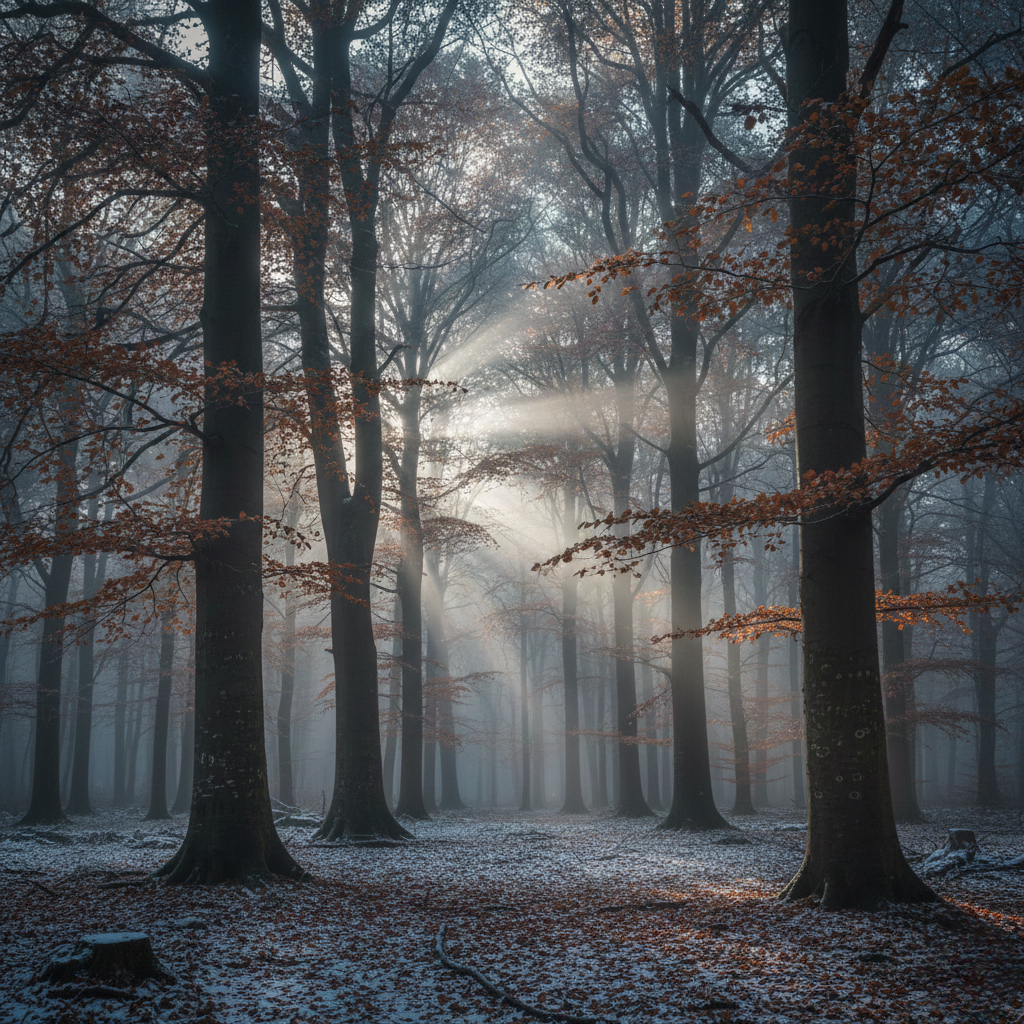
The Whispering Pines of Sharan
Our first stop was the enchanting Sharan Forest. The wind, a haunting melody, whistled through the tree trunks, rustling the leaves in a continuous, soothing symphony. The dense forest, coupled with the brisk air, created an atmosphere of unparalleled peace.
We spent the night in Batakundi, soaking in the lovely views before setting our sights on Fairy Meadows via Babusar Top for the third day. However, our plans were thwarted at Baisal; the road was closed due to predicted snowfall, making passage impossible. Disappointment washed over the group and me. I presented alternatives: Swat, Kashmir, or a two-day detour to Fairy Meadows via Beesham and Dassu. The group, weighing the four extra days of travel, opted for Swat. My heart sank, but as their leader, I had a responsibility.
The Whispering Pines of Sharan in winter 2026
I rallied my spirits, and we began our journey back to Beesham, planning to stay the night before heading to Swat. The next morning, I woke late, expecting a relaxed day. As I stepped onto the hotel lawn, I found the group deep in discussion. Upon seeing me, a unanimous shout erupted: “We want to go to Fairy Meadows!” A spark ignited within me. “If you want to go, I will take you there!” I declared, despite knowing the arduous journey ahead.
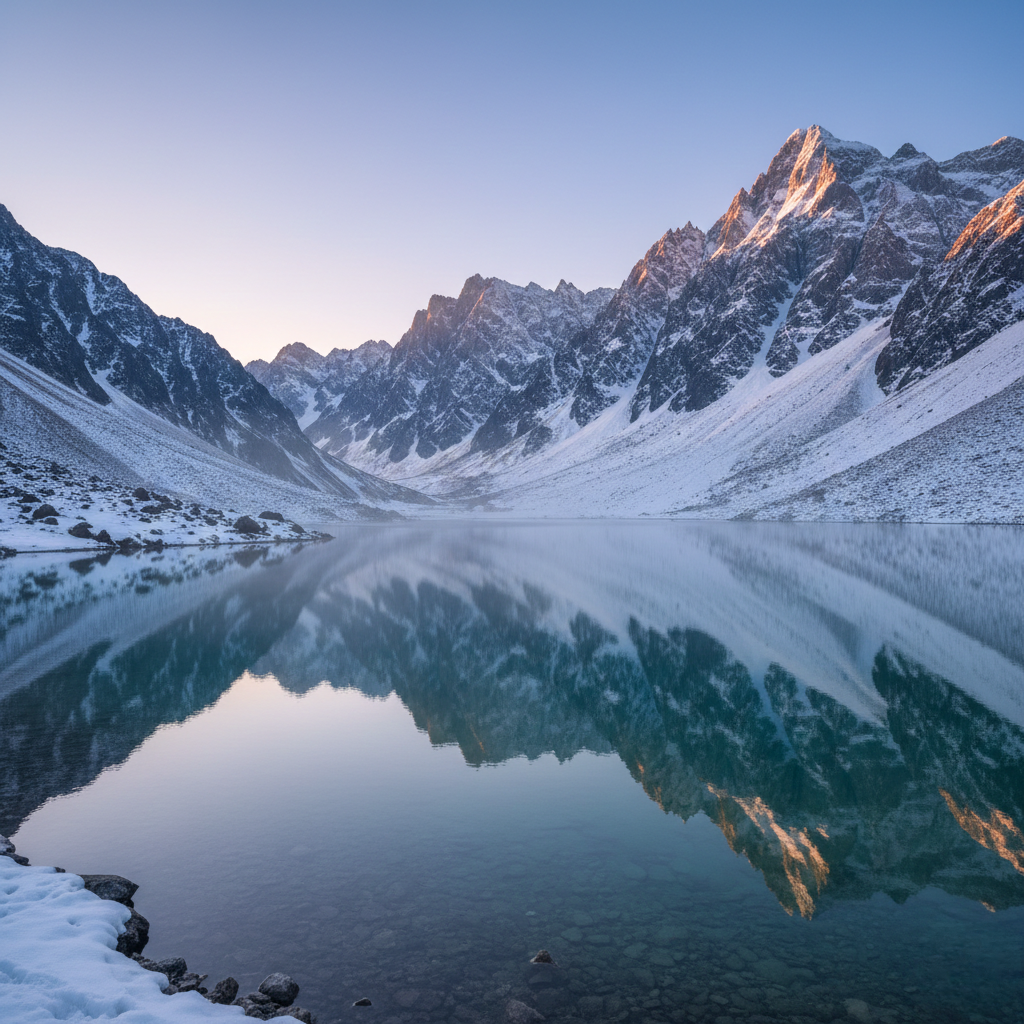
The Serenity of Lake Saif ul Malook in winter 2026
Our adventure resumed around 1 PM. The road sections in the Dassu region were infamous for their bone-jarring roughness, and the never-ending Old Silk Route tested our endurance. Yet, we pressed on, fueled by a sense of accomplishment. Finally, around 2 AM, we reached Raikot Bridge. I urged everyone to get as much sleep as possible, for a 6 AM start awaited us.
Promptly at 6 AM, I woke the group. Within an hour, we were ready. We booked jeeps from Raikot Bridge, embarking on a narrow, adventurous, yet surprisingly smooth journey. We had breakfast before our hike, and as we began, I knew my mountain-born agility would set a faster pace. With a mental note of the hotel name, I started my solo ascent, a secret plan brewing.
Suddenly, Nanga Parbat, “Murshad” as it’s affectionately known, burst into view. Breathtaking. I sat, captivated, for several minutes. Resuming my hike, I pressed on, intent on reaching Bayal Camp the same day for our single night’s stay. I reached Fairy Meadows in a swift two hours. Using S.Com’s 4G, I located Bayal Camp on the map, noticing a faint track leading towards it. Locals I’d encountered earlier estimated a 45-minute hike from Fairy Meadows to Bayal Camp for someone of my speed. Sticking to my plan, I forged ahead, not informing my group or the hotel of my detour.
Twenty minutes into my hike from Fairy Meadows, the forest thickened, and the track began to fade. I continued, navigating fallen trees from a past flood or glacier, unknowingly making a wrong turn. Instead of going straight, I veered left. After 50 minutes of non-stop hiking, a realization struck: I should have reached the camp by now. I decided to climb a nearby mountain, hoping the camp lay beyond.
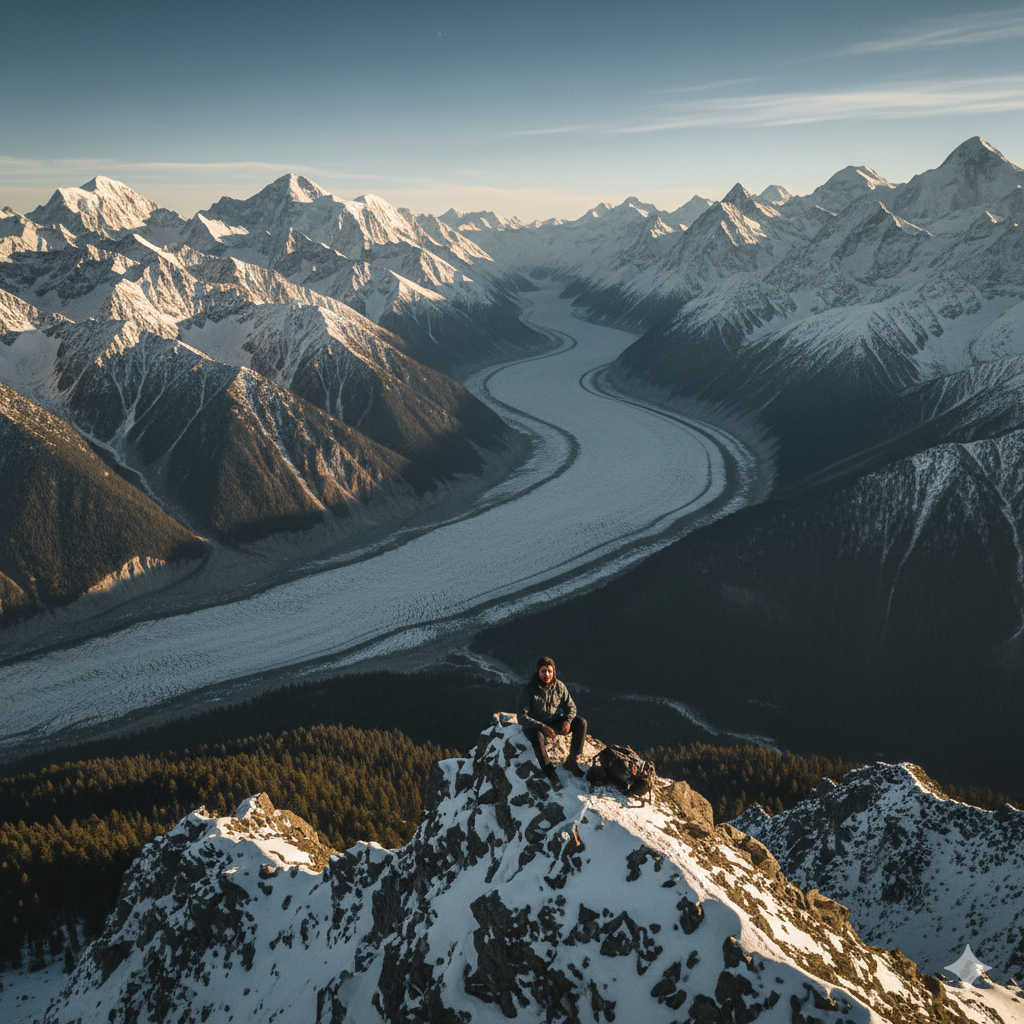
Reaching the summit, my jaw dropped. I was staring at the Raikot Glacier. My map and GPS were useless, devoid of signals
Hunger gnawed at me; my only meal had been breakfast, a crucial oversight. I was lost, hungry, and exhausted. It was around 3 PM, and the encroaching darkness spurred me to retreat to Fairy Meadows. I retraced my steps, crossing the flood-damaged section again, only to realize I’d taken another wrong turn. Lost again, deep within the forest, weakness from hunger and fatigue set in. Fear, cold and gripping, began to take hold, manifesting in disorienting hallucinations.
In that moment of despair, I turned to Allah, vowing never to repeat such recklessness. I gathered my strength, searching for my footprints, marking my path, even as the terrain seemed a chaotic mess. Looking forward, yet moving backward, I stumbled over a fallen tree. By the grace of Allah, I was unhurt. The thought of not making it out before nightfall, with no one knowing my whereabouts and no signal, was terrifying. As I rose, I saw my footprint in the snow behind the fallen tree—a divine intervention. I found the right track and made it back to Fairy Meadows.
Grateful, I rushed to the hotel kitchen and collapsed onto a bench. The caretaker, who knew me by name from our prior contact, quickly offered a cup of tea and biscuits while a meal was prepared. I devoured it all. Later, I sat on the hotel lawn, facing “Murshid,” gazing at its majestic form. The craggy mountain possesses an irresistible allure, a silent call to draw closer, even when knowing the inherent danger. It stands as a giant, dwarfing all other peaks, captivating the eye, an eternal magnet, Nanga Parbat.
eading a group through the unpredictable Karakoram or Himalayan ranges is a masterclass in resilience. I can hear the weight in your words—that specific “gut punch” when a meticulously planned route is cut short by a roadblock.
Choosing Swat was the pragmatic call, but as the leader who had envisioned the grandeur of Nanga Parbat from Fairy Meadows, it’s natural to feel that sting of “what could have been.”
The Anatomy of a Pivot in winter 2026
In the world of high-altitude travel, the mountains always have the final say. While Babusar Top ($4,173$ meters) is a gateway to the north, its closure is a reminder that nature sets the schedule.
Here is how your leadership transformed a setback into a valuable life experience:
- Prioritizing Safety over Ego: Pushing toward a snowy pass when roads are closed isn’t brave; it’s dangerous. By turning back at Baisal, you chose the well-being of your team over the completion of an itinerary.
- The Power of Democracy: Offering Swat, Kashmir, or the “Besham loop” (the long, grueling KKH route) allowed the group to own the decision. Their choice of Swat reflects a preference for enjoyment over endurance.
- Emotional Maturity: A leader often has to carry the disappointment of the group while hiding their own. Suppressing your own desire for Fairy Meadows to facilitate their comfort is a selfless act.
Swat: Not a Consolation, but a Revelation in winter 2026
While it isn’t the “Killer Mountain” view, Swat offers a different kind of magic. From the alpine lakes of Gabina Jabba to the rushing waters of the Swat River, the transition from the ruggedness of Kaghan to the lushness of Swat can be incredibly therapeutic for a disappointed group.