

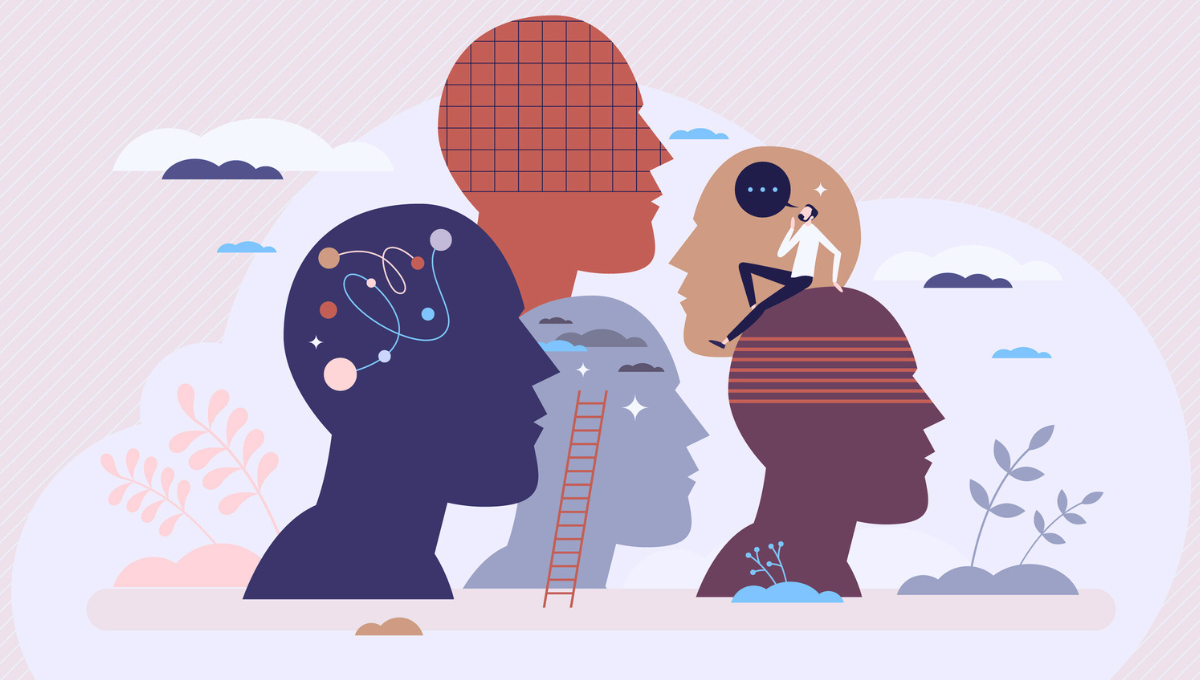
Human beings are shaped by an array of experiences, beliefs, and cultural influences. Within this complex mental framework, biases naturally take root. From well-researched cognitive biases to subtle social assumptions, more than 180 types of bias influence how we perceive, judge, and act. The truth is simple: every human is biased.
This article explores how bias affects our everyday lives—through daily interactions, workplace behavior, hiring decisions, and promotions—and presents practical strategies that go beyond traditional bias training. By understanding how bias emerges and learning how to counter it, we can create fairer, more inclusive environments.
Maslow’s Hierarchy of Needs: A Lens Into Why Human Bias Exists
Abraham Maslow’s Hierarchy of Needs provides a helpful framework for understanding why biases are so deeply ingrained. His pyramid begins with basic physiological needs such as food and shelter, followed by safety, belonging, esteem, and self-actualization.
Biases often stem from survival instincts and our need to feel accepted. These mental shortcuts help us quickly interpret our surroundings. Although these automatic judgments can help us navigate the world efficiently, they also risk reinforcing stereotypes, limiting inclusivity, and distorting our perceptions.
By seeing how these biases connect to our essential human needs, we gain insight into the ways our evolutionary past shapes our modern behaviors.
Bias Is Universal: How It Shapes Our Daily Lives
Biases operate largely below the surface, influencing how we see the world long before we consciously form an opinion. They are shaped by evolution, personal history, and societal expectations. Understanding this helps us recognize where our biases show up and how they affect others.
1. Bias in Daily Interactions
Picture yourself in a café, watching people pass by. Without realizing it, you form instant impressions based on clothing, posture, tone, or even a name. These unconscious judgments, tied to our desire for safety and social connection, influence whom we trust, approach, or avoid.
2. Bias as an Employee
In professional settings, bias influences how we interpret others’ abilities and intentions. The halo effect may lead us to overvalue a colleague’s strengths, while a single negative trait can overshadow their actual performance. These biases impact teamwork, communication, and trust.
3. Bias in Hiring
Recruitment decisions are particularly prone to bias. “Similarity bias” leads us to favor candidates who resemble us in background or personality, unintentionally excluding diverse talent. Other hidden biases—linked to gender, race, or socioeconomic status—often influence evaluations and prevent organizations from building truly inclusive teams.
4. Bias in Promotion Decisions
Promotions frequently reflect unspoken assumptions about what leadership “should look like.” If decision-makers hold narrow views of who fits these roles, individuals who don’t match those expectations may be unfairly overlooked. This limits innovation and reinforces outdated norms.
Beyond Bias Training: Effective Strategies for Reducing Human Bias
Acknowledging that all humans are biased is the first step toward managing these tendencies. Real progress requires ongoing self-awareness, deliberate action, and exposure to diverse experiences. Here are four strategies to help overcome bias:
1. Ask Bold, Honest Questions
Interrogate your judgments: Are they based on evidence or assumption? Self-reflection uncovers blind spots that often go unnoticed.
2. Seek Out Diverse Perspectives
Surround yourself with people from different backgrounds and viewpoints. Diverse interactions challenge ingrained biases and broaden understanding.
3. Slow Down Your Decision-Making
Bias thrives in rushed moments. Pausing to reflect helps you make reasoned, equitable choices instead of relying on instinct alone.
4. Lean on Data and Evidence
Objective information helps balance emotional or biased reactions. Use metrics, structured criteria, and data-driven processes to guide decisions.
Five Essential Self-Reflection Questions to Uncover Bias
1. Building self-awareness empowers us to recognize and reduce our own biases. Regularly ask yourself these five questions in any situation:
2. What assumptions am I making?
Identify whether you’re drawing conclusions from limited or irrelevant information.
3. Am I relying on stereotypes?
Notice whether your judgment is influenced by characteristics such as race, gender, or age.
4. Whose perspectives am I ignoring?
Be mindful of whose input you seek and whose voices you may be overlooking.
5. Would I react differently if the roles were reversed?
Role reversal helps uncover biases and cultivates empathy.