

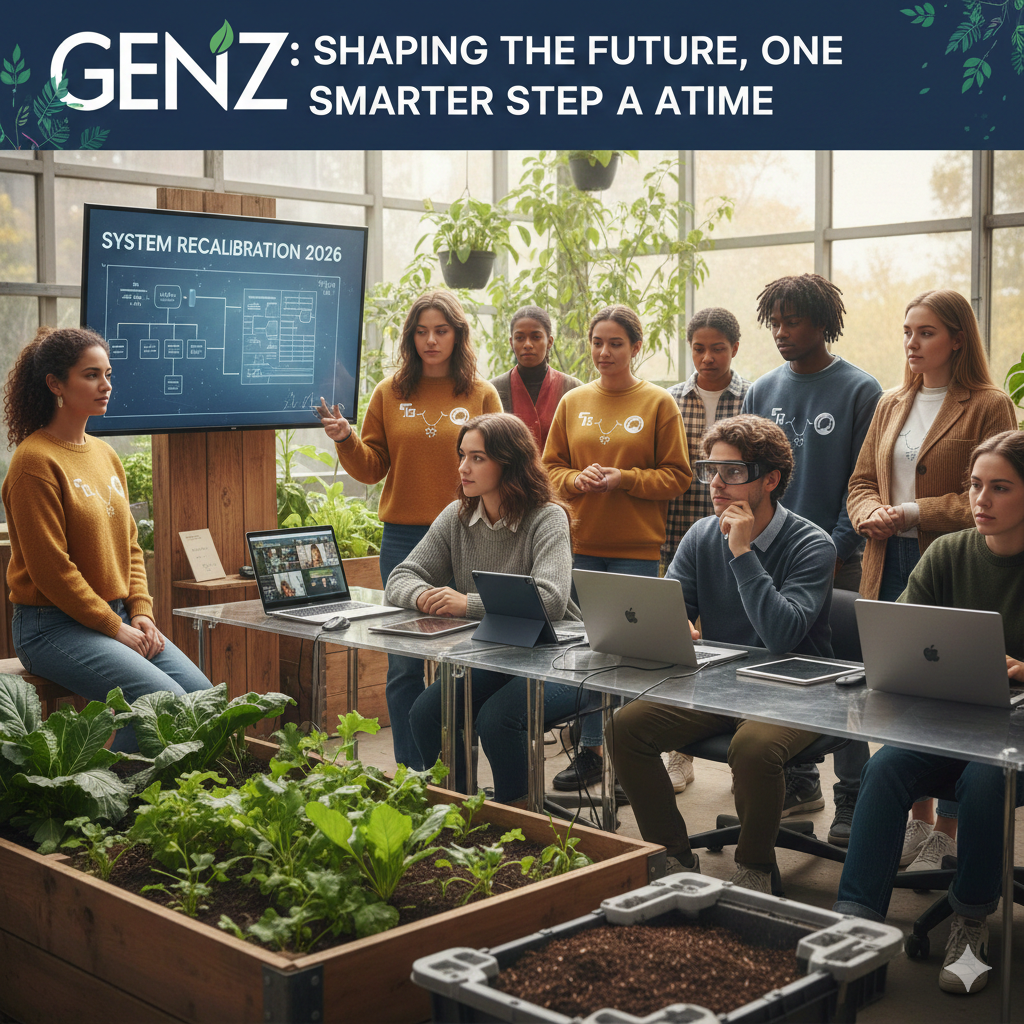
The year 2026 marks a pivotal moment where Generation Z transitions from being perceived as a “chronically online” demographic to a recognized force for cultural and systemic recalibration. They are not staging dramatic revolutions; instead, they are challenging power through smarter, slower, and more sustainable strategies, fundamentally redefining how influence works.
Redefining Power and Influence
Gen Z views power as distributed and fluid, moving beyond traditional associations with titles, institutions, and status.
- New Power Centers: Influence is seen as residing in data, visibility, social pressure, community networks, and cultural direction.
- Alternative Platforms: Platforms like TikTok, Lemon8, and decentralized community forums become key centers of power. A 21-year-old creator can shift a political conversation faster than a traditional newsroom, and student collectives can pressure brands through online exposure.
- Transparency and Accountability: They treat power as something that should be transparent, accountable, and shared. They aren’t waiting for a seat at the table; they’re building their own and forcing institutions to engage.
Real-Time Institutional Auditing
A significant shift is Gen Z’s adoption of real-time auditing of institutions, moving beyond traditional activism to a continuous monitoring process.
- Vigilance and Accountability: Government bodies, universities, companies, and media houses are constantly aware that Gen Z is watching. Inconsistencies become memes, empty promises lead to takedowns, and statements are crowd-sourced fact-checked.
- Speed of Accountability: Understanding the speed of misinformation, Gen Z matches it with the speed of accountability, forcing institutions to be faster, clearer, and more honest.
- Expectation of Transparency: This has created a dynamic where institutions must over explain. Younger audiences demand detailed breakdowns, process transparency, live updates, and accessible language. The gap in transparency often becomes the story itself.
Soft Power through Everyday Choices
Gen Z strategically blends personal and political decisions, turning everyday choices into a form of soft power.
- Micro Shifts: They focus on micro shifts—a thousand small pushes instead of one big shove. Actions like boycotting a brand, supporting small creators, refusing harmful apps, or thrifting over fast fashion, when multiplied, measurably shift demand patterns and create pressure.
- Integrated Activism: This approach makes activism less intimidating and more integrated into their lives, creating a ripple effect that slowly transforms industries.
Intentional Digital Activism and Inside Reform
Gen Z utilizes digital tools with precision and simultaneously pushes for change from within established systems.
- Refined Digital Skills: Digital activism in 2026 is a refined skill. They understand virality, attention psychology, and timing. Content is narrative-driven and visually authentic, pairing hashtags with clear context, cross-referenced sources, and tangible actions (e.g., emailing representatives, donating).
- Challenging from Within: Many are entering institutions (government, NGOs, policy roles) as reformers. They work on municipal boards, climate councils, and tech ethics panels, pushing for simpler processes, inclusive decision-making, and user-centric design—changing the system’s logic from the inside.
- Balanced Influence: This blend of outside pressure and inside participation is what gives their influence a balanced, sustainable feel.
The Power of Emotional Honesty
Gen Z’s emotional transparency is a subtle yet powerful challenge to traditional power structures.
- Normalizing Vulnerability: They openly discuss burnout, anxiety, boundaries, and disappointment, sharing the emotional cost of their work.
- Shifting Expectations: This has forced institutions to acknowledge the emotional realities of their teams. Workplaces are adjusting expectations, offering mental wellness resources, and treating people as people, not replaceable parts. Their honesty challenges the romanticization of “hustle” and the illusion of the superhuman leader.
Community as Infrastructure
The generation has redefined community as a vital infrastructure and social safety net.
- Alternative Safety Nets: Networks like Discord collectives, mutual aid groups, and skill-sharing forums function as alternative power structures, reducing dependence on institutions that have historically failed them.
- Mobilization Strategy: This infrastructure allows for rapid mobilization. A policy change can be discussed, turned into content, analyzed, and amplified across networks within hours, turning community into a core strategy.
Economic and Narrative Shifts
Gen Z’s influence extends to challenging economic norms and creating new narratives.
- Economic Pressure: They are questioning traditional careers, demanding fair compensation, and valuing flexibility and autonomy over prestige. They are unafraid to quit exploitative jobs, forcing employers to rethink hiring models.
- Consumer Skepticism: Their skepticism is leverage. They are quick to call out greenwashing and ethics washing, knowing that their attention is currency and their critique can disrupt million-dollar campaigns.
- Alternative Narratives: They challenge universal truths about success, identity, and politics, using art, fashion, and content to explore decentralized identities, fluid careers, and collective problem solving. This imagination expands possibilities and prevents society from getting stuck in outdated models.
The Realistic Future of Gen Z Power
Gen Z’s power is grounded in realism. They are aware of their limitations—burnout, financial instability, and climate anxiety—but this very grounded outlook makes their influence credible. They are not trying to “save the world” but to function within it while slowly reshaping its edges.
In 2026, power is no longer comfortable in old structures; it is distributed, scrutinized, and accountable because of this generation.