

Introduction
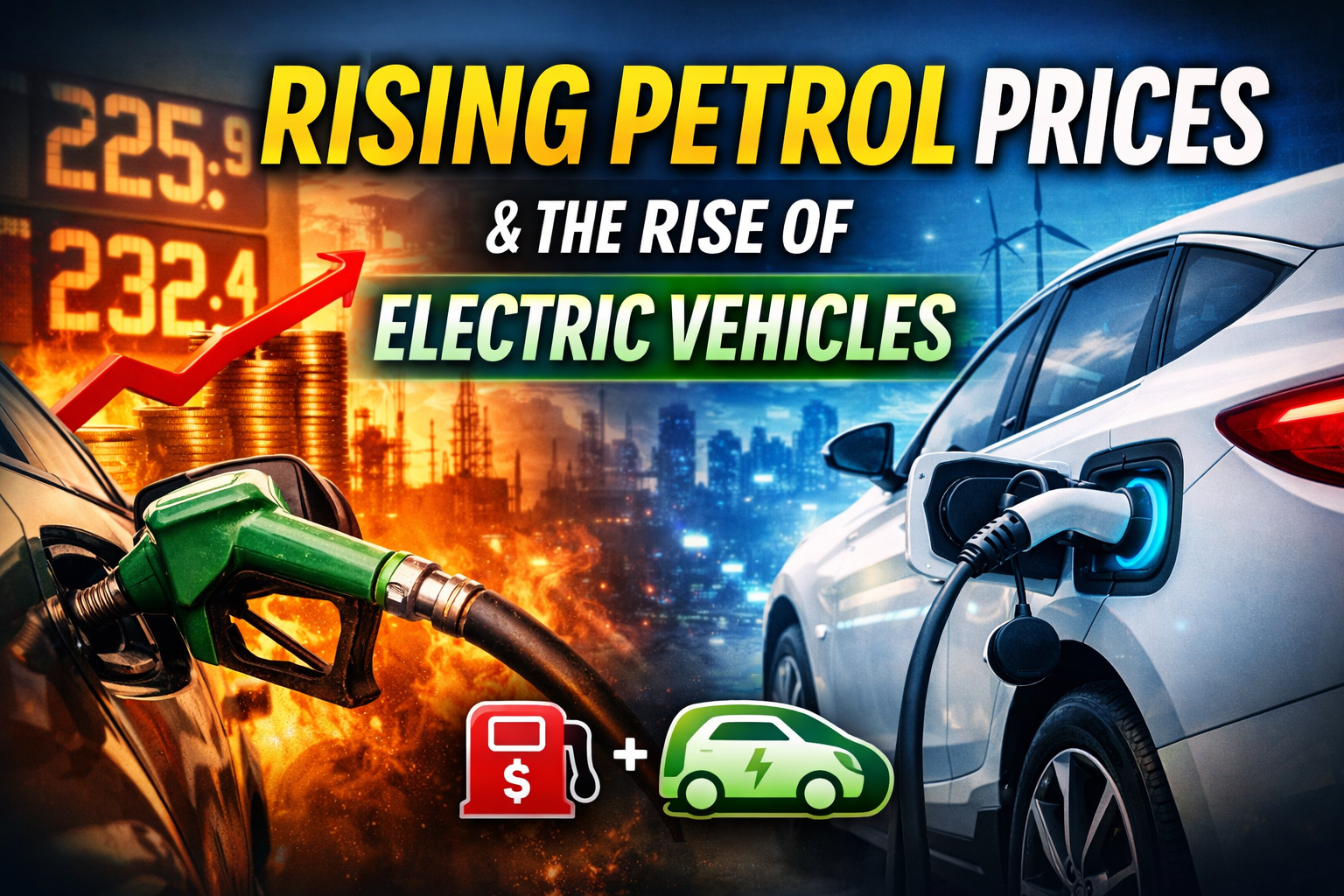
In recent years, the global economy has been significantly affected by rising petrol prices. From daily commuters to large industries, everyone feels the burden of expensive fuel. At the same time, electric vehicles (EVs) are rapidly gaining popularity as a cleaner and more cost-effective alternative.
This shift is not just a trend—it represents a major transformation in the automotive and energy industries.
Why Are Petrol Prices Increasing?
1. Global Supply Chain Issues
Crude oil prices fluctuate due to geopolitical tensions, wars, and disruptions in supply chains. Events like conflicts in oil-producing regions often lead to price hikes.
2. Inflation & Currency Devaluation
Countries like Pakistan face higher petrol prices due to currency depreciation and inflation, making fuel imports more expensive.
3. Government Taxes
Petrol prices include heavy taxes and levies, which significantly increase the final cost for consumers.
4. Increasing Demand
Despite alternative options, global fuel demand continues to rise, especially in developing countries.
Impact of High Petrol Prices
1. Increased Cost of Living
Transportation costs rise, leading to higher prices for food, goods, and services.
2. Pressure on Businesses
Logistics and delivery businesses face higher expenses, reducing profit margins.
3. Reduced Mobility
People limit travel, affecting tourism and daily commuting habits.
4. Shift Toward Alternatives
High fuel costs push consumers to consider hybrid and electric vehicles.
What Are Electric Vehicles (EVs)?
Electric vehicles run on electricity instead of petrol or diesel. They use rechargeable batteries and electric motors, eliminating the need for traditional fuel.
Popular EV brands include:
- Tesla
- BYD
- Nissan
How EV Technology Is Changing the Industry
1. Lower Running Costs
EVs are much cheaper to operate compared to petrol cars. Electricity costs significantly less than fuel, and maintenance is lower due to fewer moving parts.
2. Environmental Benefits
EVs produce zero tailpipe emissions, helping reduce air pollution and combat climate change.
3. Advanced Technology Integration
Modern EVs include features like:
- AI-based driving assistance
- Regenerative braking
- Smart connectivity and app control
Companies like Tesla are leading innovation with autonomous driving technologies.
EV Adoption in Pakistan
Pakistan is slowly moving toward electric mobility.
Government Initiatives
- EV policy with tax incentives
- Reduced import duties on EVs
- Plans to install charging stations nationwide
Challenges
- Limited charging infrastructure
- High initial cost of EVs
- Lack of awareness
However, local companies and startups are working to improve EV accessibility.
Petrol Cars vs Electric Vehicles
| Feature | Petrol Cars | Electric Vehicles (EVs) |
|---|---|---|
| Fuel Cost | High & increasing | Low & stable |
| Maintenance | Expensive | Lower cost |
| Emissions | High pollution | Eco-friendly |
| Performance | Moderate | Instant torque & smooth |
| Initial Cost | Lower | Higher (but decreasing) |
Economic Impact of EV Growth
1. Reduced Oil Dependency
Countries can reduce reliance on imported fuel, improving economic stability.
2. Job Creation
EV production, battery manufacturing, and charging infrastructure create new job opportunities.
3. Energy Shift
Focus shifts from fossil fuels to renewable energy sources like solar and wind.
Future of Transportation
The future is clearly electric. Many global automakers plan to phase out petrol vehicles within the next decade. Governments worldwide are setting targets for zero-emission transportation.
Emerging trends include:
- Fast-charging technology
- Battery improvements (longer range)
- Affordable EV models
Conclusion
Rising petrol prices are pushing the world toward a cleaner, more sustainable future. Electric vehicles are no longer just an alternative—they are becoming the primary choice for modern transportation.
While challenges remain, especially in developing countries like Pakistan, the transition to EVs is inevitable. Investing in EV technology today means a greener, more economical tomorrow.