

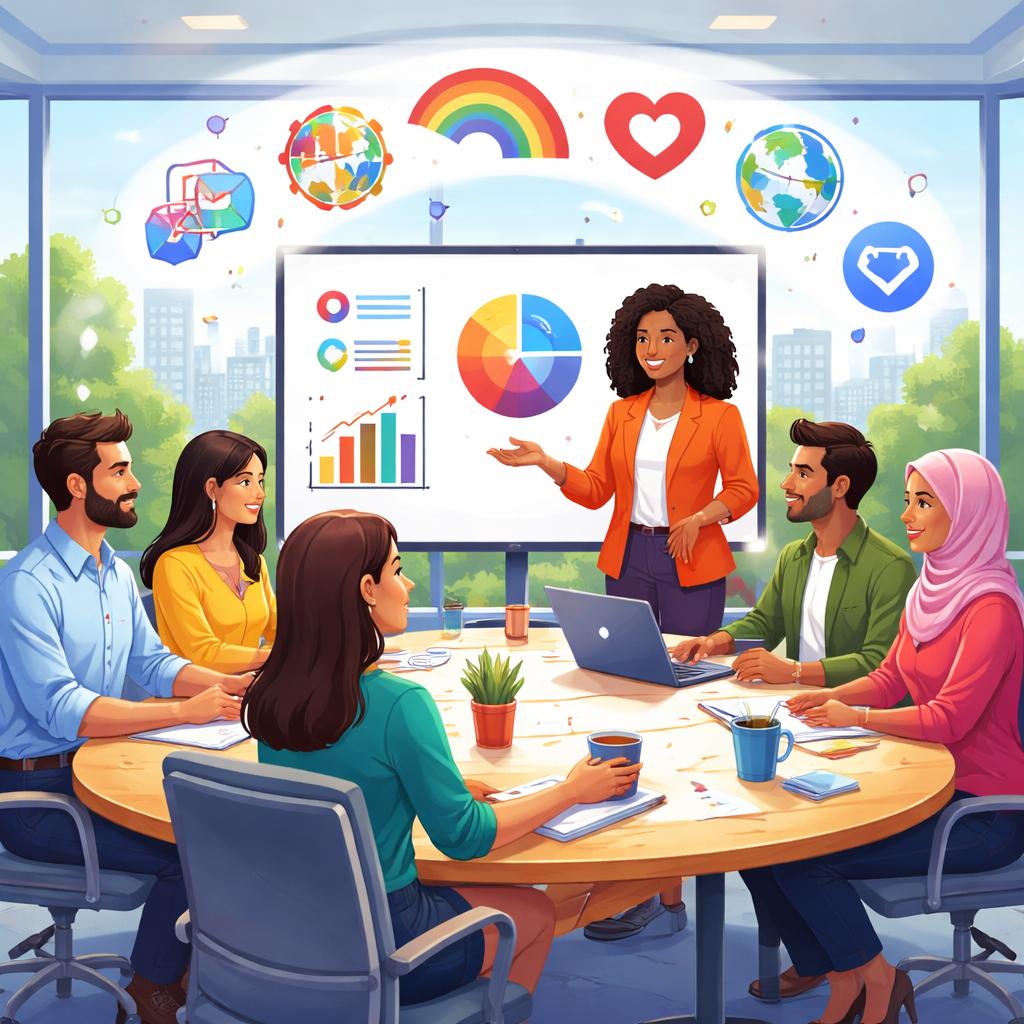
In 2026, the landscape of diversity, equity, and inclusion (DEI) is evolving faster than ever. Organizations worldwide are moving beyond traditional metrics and embracing more holistic approaches that prioritize belonging, equity, and empowerment for all employees.
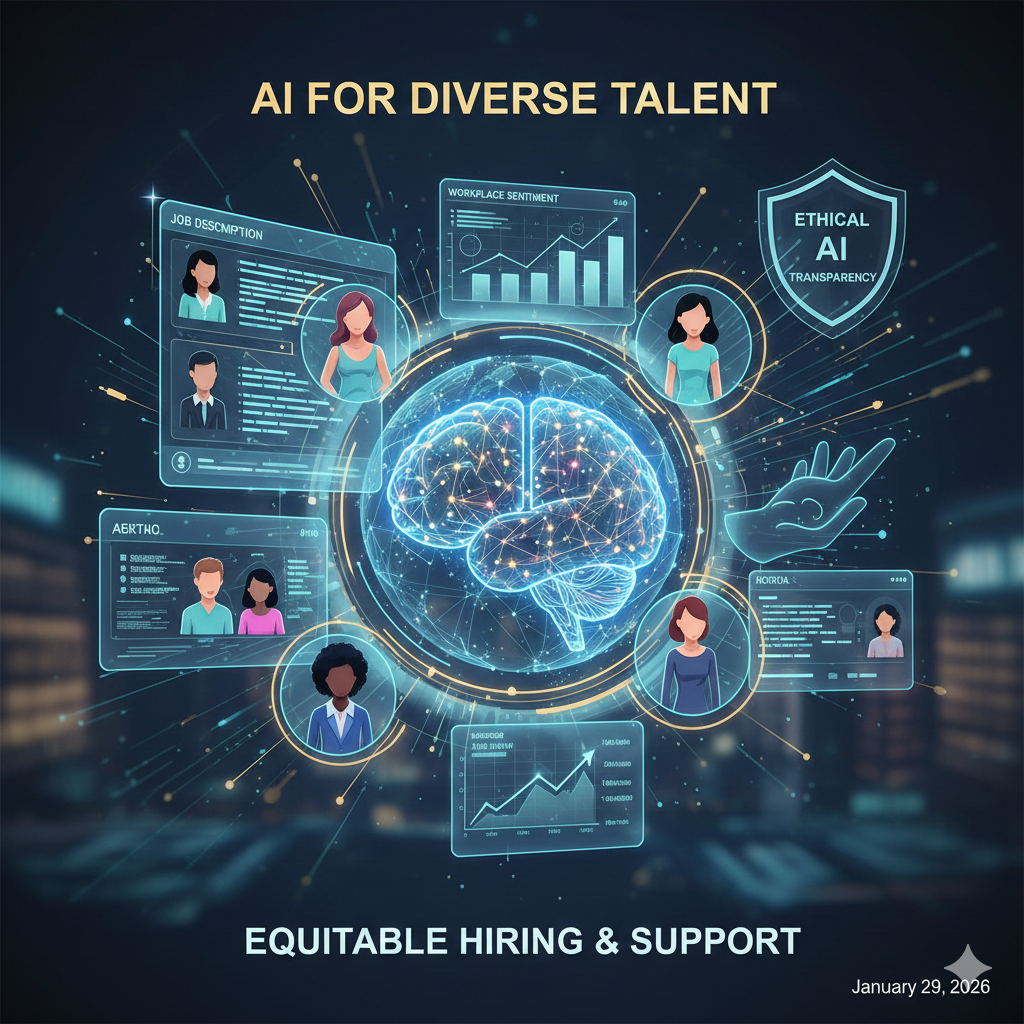
1. AI-Powered Inclusion Strategies
Artificial intelligence is reshaping how companies recruit and support diverse talent. From reducing bias in job descriptions and candidate screening to analyzing workplace sentiment, AI tools are helping organizations identify inequities and make data-driven inclusion decisions. However, ethical AI use and transparency remain core priorities.
2. DEI Embedded in Business Goals
Diversity isn’t just a HR initiative — it’s now central to business strategy. Companies are tying DEI outcomes to performance goals, executive compensation, and long-term value creation. This shift ensures accountability and shows commitment from the top.
3. Focus on Intersectionality
Inclusive workplaces in 2026 recognize that employees’ identities are multi-dimensional. Intersectional strategies consider how overlapping experiences — such as race, gender, disability, and socioeconomic background — impact opportunities and challenges. This deeper lens fosters more tailored and effective support systems.
4. Expanded Mental Health and Well-Being Programs
Well-being is a key component of inclusion. Employers are offering culturally responsive mental health resources, flexible work options, and initiatives that support work-life balance. By addressing emotional well-being alongside diversity goals, organizations build a more resilient and engaged workforce.
5. Inclusive Leadership and Training
Leadership development now includes inclusive leadership competencies. Training focuses not just on awareness, but on practical skills like allyship, active listening, and equitable decision-making. These capabilities drive daily behaviors that shape inclusive cultures.
6. Community Partnerships and Social Impact
Companies are extending their inclusion efforts into the communities they serve. Through partnerships with diverse organizations, mentorship programs, and equitable supply chain practices, businesses are creating impact beyond internal walls.
AI-Powered Inclusion Strategies
Artificial intelligence is transforming how organizations build and sustain inclusive workplaces. In recruitment, AI tools help reduce unconscious bias by optimizing job descriptions, screening candidates based on skills rather than background, and promoting fair hiring practices. These systems can also analyze large datasets to identify patterns of inequality that may otherwise go unnoticed.
Beyond hiring, AI supports inclusion by monitoring employee engagement, analyzing workplace sentiment, and highlighting gaps in equity, representation, or advancement. This enables companies to make informed, data-driven decisions that improve employee experience and foster belonging.
However, the success of AI-powered inclusion depends on responsible implementation. Ethical AI use, transparency in algorithms, and regular bias audits are essential to ensure technology enhances fairness rather than reinforcing existing inequalities. When used thoughtfully, AI becomes a powerful ally in creating diverse, equitable, and inclusive workplaces.
Embedding Diversity, Equity, and Inclusion (DEI) into business goals means making inclusion a core part of how a company plans, measures, and succeeds — not just a separate HR program. In leading organizations, DEI is aligned with overall strategy, performance expectations, and long-term value creation. Instead of functioning as an add-on, it becomes part of the company’s mission, decision-making, and day-to-day operations.
DEI Embedded in Business Goals
When DEI is embedded in business goals:
- Leadership accountability increases. DEI metrics — such as representation, retention, or inclusion scores — are tied to performance evaluations and sometimes even executive compensation. This makes leaders personally responsible for progress toward inclusion outcomes.
- DEI becomes measurable and strategic. Clear, SMART goals (specific, measurable, achievable, relevant, time-bound) linked to business outcomes — such as entering new markets or improving innovation — help companies track progress and stay accountable.
- Inclusion supports core business outcomes. Diverse teams bring varied perspectives that boost creativity, problem-solving, and customer understanding — all critical for growth and competitiveness.
In this way, DEI isn’t just about doing “the right thing” — it becomes a strategic engine that strengthens culture, drives performance, and enhances organizational success.
Embedding Diversity, Equity, and Inclusion (DEI) into business goals means making inclusion a core part of how a company plans, measures, and succeeds — not just a separate HR program. In leading organizations, DEI is aligned with overall strategy, performance expectations, and long-term value creation. Instead of functioning as an add-on, it becomes part of the company’s mission, decision-making, and day-to-day operations.
When DEI is embedded in business goals:
- Leadership accountability increases. DEI metrics — such as representation, retention, or inclusion scores — are tied to performance evaluations and sometimes even executive compensation. This makes leaders personally responsible for progress toward inclusion outcomes.
- DEI becomes measurable and strategic. Clear, SMART goals (specific, measurable, achievable, relevant, time-bound) linked to business outcomes — such as entering new markets or improving innovation — help companies track progress and stay accountable.
- Inclusion supports core business outcomes. Diverse teams bring varied perspectives that boost creativity, problem-solving, and customer understanding — all critical for growth and competitiveness.
Focusing on intersectionality means recognizing that people’s experiences in the workplace are shaped by multiple, overlapping identities—such as race, gender, age, disability, culture, and socioeconomic background. In inclusive organizations, diversity is no longer viewed through a single lens. Instead, companies acknowledge that employees may face unique challenges and opportunities based on the combination of identities they hold.
By adopting an intersectional approach, workplaces can design more effective policies, support systems, and career pathways. This includes tailored development programs, inclusive benefits, and fair evaluation processes that reflect real employee experiences rather than one-size-fits-all solutions.
In 2026, organizations that prioritize intersectionality build deeper trust, foster belonging, and create environments where all employees feel seen, valued, and empowered to succeed
Focus on Intersectionality
Focusing on intersectionality means recognizing that people’s experiences in the workplace are shaped by multiple, overlapping identities—such as race, gender, age, disability, culture, and socioeconomic background. In inclusive organizations, diversity is no longer viewed through a single lens. Instead, companies acknowledge that employees may face unique challenges and opportunities based on the combination of identities they hold.
By adopting an intersectional approach, workplaces can design more effective policies, support systems, and career pathways. This includes tailored development programs, inclusive benefits, and fair evaluation processes that reflect real employee experiences rather than one-size-fits-all solutions.
In 2026, organizations that prioritize intersectionality build deeper trust, foster belonging, and create environments where all employees feel seen, valued, and empowered to succeed
Expanded Mental Health and Well-Being Programs
Expanded mental health and well-being programs are becoming a critical pillar of inclusive workplaces. Organizations now recognize that employee well-being directly impacts productivity, engagement, and retention. In 2026, companies are moving beyond basic wellness initiatives to offer comprehensive, accessible, and culturally responsive mental health support.
These programs include flexible work arrangements, mental health days, counseling services, stress-management resources, and burnout prevention strategies. Employers are also normalizing open conversations around mental health, helping to reduce stigma and encourage employees to seek support without fear.
By prioritizing mental and emotional well-being, organizations create safer, healthier environments where employees feel supported, valued, and empowered—strengthening both workplace culture and long-term business success.
Inclusive Leadership and Training
Inclusive leadership and training are essential to building truly diverse and equitable workplaces. In 2026, organizations are focusing on developing leaders who not only understand diversity but actively practice inclusion in everyday decisions. This means leading with empathy, fairness, and cultural awareness.
Inclusive training programs go beyond awareness sessions. They equip leaders and teams with practical skills such as active listening, unconscious bias management, allyship, and inclusive communication. These skills help leaders create environments where all voices are heard and respected.
When leaders model inclusive behaviors, they set the tone for the entire organization. Strong inclusive leadership fosters trust, improves collaboration, and ensures that diversity efforts translate into meaningful, lasting cultural change.
Community Partnerships and Social Impact
Community partnerships and social impact initiatives are becoming powerful extensions of workplace inclusion efforts. Organizations are increasingly collaborating with local communities, nonprofit groups, educational institutions, and diverse suppliers to create opportunities beyond their internal workforce.
Through mentorship programs, skills training, inclusive hiring pipelines, and equitable supply chain practices, companies help uplift underrepresented communities while strengthening their own talent ecosystems. These partnerships also allow businesses to better understand and serve diverse customers.
By investing in community impact, organizations demonstrate that inclusion is not just an internal value but a broader social responsibility—building trust, credibility, and long-term positive change for both business and society.