

- Why Parents and Educators Are Rethinking Education
- Understanding the Concept of Positive Education
- The Core Goal of Positive Education
- Martin Seligman and the PERMA Model
- Why PERMA Matters in Education
- Breaking Down the PERMA Framework
- The PERMAH Extension
- PERMAH in Practice
- VIA Character Strengths Explained
- Applying VIA Strengths in Education
- How to Apply Positive Education in Schools
- Positive Education in Daily Classroom Practice
- Character Growth and Resilience Programs
- The Bounce Back Program
- Restorative Practices in Positive Education
- Research Supporting Positive Education
- Where Positive Education Is Headed
- Resources for Parents and Educators
- FAQs
All parents want the best for their children. Deep down, what we truly want isn’t just straight A’s or prestigious degrees. We want our children to be happy, confident, resilient, and capable of living meaningful lives. But here’s the challenge: traditional education systems often prioritize grades over growth and results over relationships. That’s where positive education steps in like a breath of fresh air.
Positive education blends academic learning with wellbeing science. Instead of asking, “How smart is this child?” it also asks, “How well is this child thriving?” Let’s explore what positive education really is and how it’s transforming schools—and lives—around the world.
Why Parents and Educators Are Rethinking Education
The Changing Needs of Children in the Modern World
Children today are growing up in a fast-paced, high-pressure environment. Social media, academic competition, and constant comparison can take a toll on mental health. Anxiety and depression among young people are rising, even as educational standards become more demanding.
Beyond Grades: The Need for Wellbeing
Grades alone don’t prepare children for life. Emotional intelligence, resilience, empathy, and purpose matter just as much. Education systems that ignore wellbeing risk producing students who succeed on paper but struggle internally.
Understanding the Concept of Positive Education
Definition of Positive Education
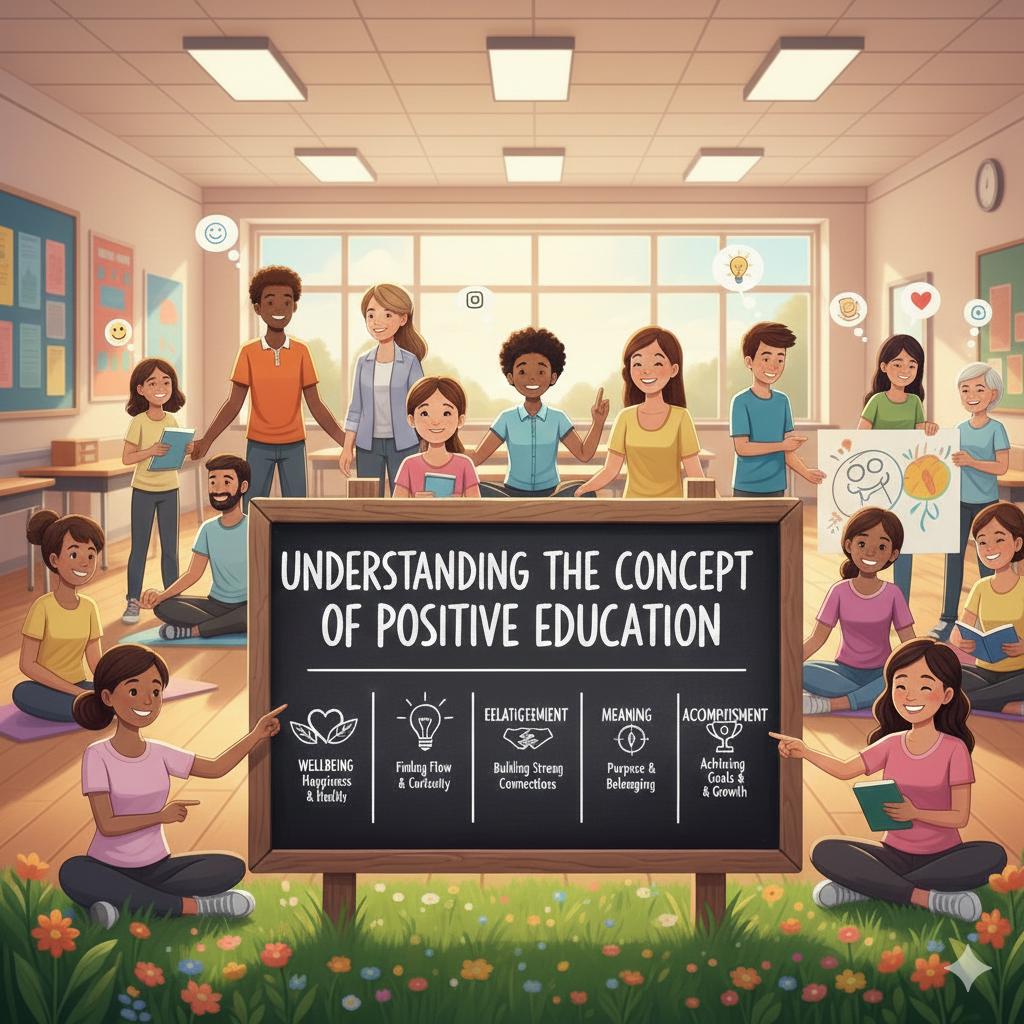
Positive education is the integration of traditional academic education with the science of wellbeing and happiness. It aims to help students flourish—not just academically, but emotionally, socially, and psychologically.
Origins in Positive Psychology
The concept stems from positive psychology, a field pioneered by Martin Seligman. Instead of focusing only on fixing problems, positive psychology studies what makes life worth living—and brings those insights into classrooms.
The Core Goal of Positive Education
Flourishing as the Ultimate Objective
The central aim of positive education is flourishing—a state where individuals feel good and function well.
Mental Health Within the School Community
Positive education doesn’t just benefit students. Teachers, staff, and the wider school community also experience improved wellbeing, relationships, and motivation.
Martin Seligman and the PERMA Model
Introduction to PERMA
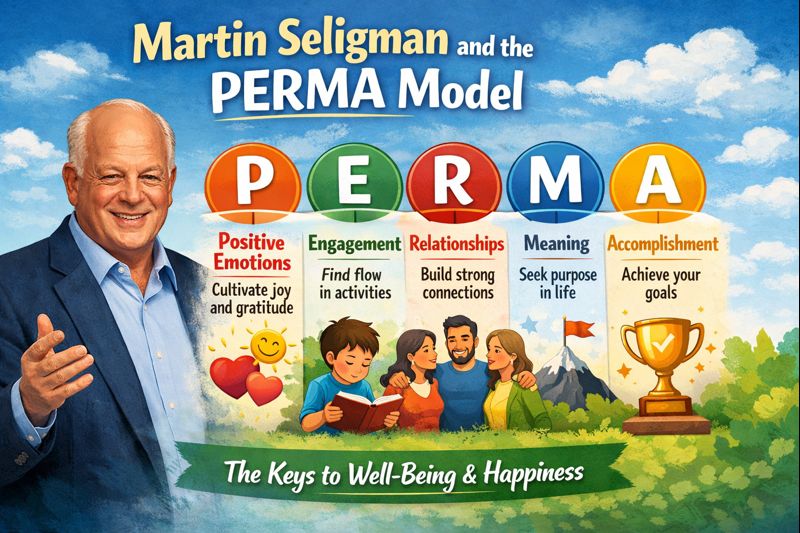
Seligman introduced the PERMA model, a framework outlining five essential elements of wellbeing.
Why PERMA Matters in Education
When schools intentionally nurture these elements, students are more engaged, happier, and better equipped for life beyond the classroom.
Breaking Down the PERMA Framework
Positive Emotions
Joy, gratitude, hope, and curiosity help students build emotional resilience and broaden their thinking.
Engagement
Think of engagement as being “in the zone.” When students are deeply involved in meaningful challenges, learning sticks.
Positive Relationships
Strong, supportive relationships are the backbone of wellbeing and academic success.
Meaning
Students thrive when they feel connected to something bigger than themselves—whether it’s community, values, or purpose.
Accomplishment
Achievement matters. Setting goals and experiencing mastery builds confidence and motivation.
The PERMAH Extension
Adding Health to Wellbeing
PERMAH adds Health to the model, recognizing the role of sleep, nutrition, and physical activity.
Sleep, Exercise, and Nutrition in Schools
Healthy bodies support healthy minds. Schools adopting PERMAH actively promote balanced lifestyles.
PERMAH in Practice
School-Based Applications
Schools use PERMAH to shape policies, teaching strategies, and student support systems.
Real-World Examples from Schools
Institutions like Geelong Grammar School and Winmalee High School have embedded PERMAH into daily school life with impressive results.
VIA Character Strengths Explained
What Are Character Strengths?
Character strengths are positive traits reflected in thoughts, feelings, and behaviors.
The Six Core Virtues
The VIA framework highlights six virtues: wisdom, courage, humanity, justice, temperance, and transcendence.
Applying VIA Strengths in Education
Identifying Student Strengths
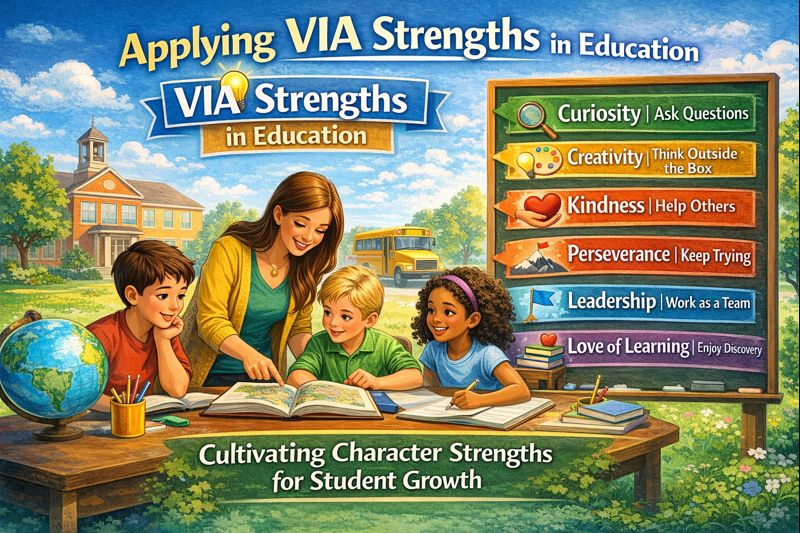
Students can assess their strengths through surveys and reflective activities.
Strengths-Based Feedback
Instead of saying “Good job,” teachers highlight specific strengths like creativity, perseverance, or kindness.
How to Apply Positive Education in Schools
Strengths-Based Interventions
Simple changes—like gratitude exercises or goal-setting—can have powerful effects.
Teacher Training and Culture
Teachers trained in positive education model wellbeing in their own lives, creating a ripple effect.
Positive Education in Daily Classroom Practice
The Jigsaw Classroom
This collaborative method allows students to contribute based on their strengths, building confidence and teamwork.
Student Voice and Responsibility
Positive education empowers students to take ownership of their learning journey.
Character Growth and Resilience Programs
The Character Growth Card
Used in schools like KIPP, this tool assesses character traits alongside academics.
Building Grit and Perseverance
Traits like resilience and self-control are nurtured through everyday interactions—not lectures.
The Bounce Back Program
Teaching Resilience Early
Bounce Back focuses on helping students handle stress and setbacks constructively.
Coping Skills and Optimism
Tools like the responsibility pie chart teach children what they can control—and what they can let go.
Restorative Practices in Positive Education
Moving Beyond Punishment
Traditional punishments often fail to teach accountability or empathy.
Restorative Conversations
Restorative practices encourage reflection, responsibility, and repair—strengthening school communities.
Research Supporting Positive Education
Academic Performance
Studies show a strong link between wellbeing and improved academic outcomes.
Mental Health and Motivation
Positive education reduces depression and increases optimism, engagement, and motivation.
Where Positive Education Is Headed
Global Adoption and Innovation
From Australia to Israel to Mexico, positive education is gaining momentum worldwide.
Resources for Parents and Educators
Organizations and Tools
Institutions like IPEN, PESA, and the Positive Schools Initiative provide valuable resources and training.
FAQs
- 1. Is positive education suitable for all age groups?
Yes, it can be adapted from preschool to high school and beyond. - 2. Does positive education replace traditional academics?
No, it complements academics by enhancing wellbeing and engagement. - 3. Can parents apply positive education at home?
Absolutely. Practices like gratitude, strengths recognition, and resilience-building work at home too. - 4. Is there scientific evidence supporting positive education?
Yes, multiple studies show improvements in wellbeing, motivation, and academic performance. - 5. How long does it take to see results?
Some benefits appear quickly, while others develop gradually over time.