

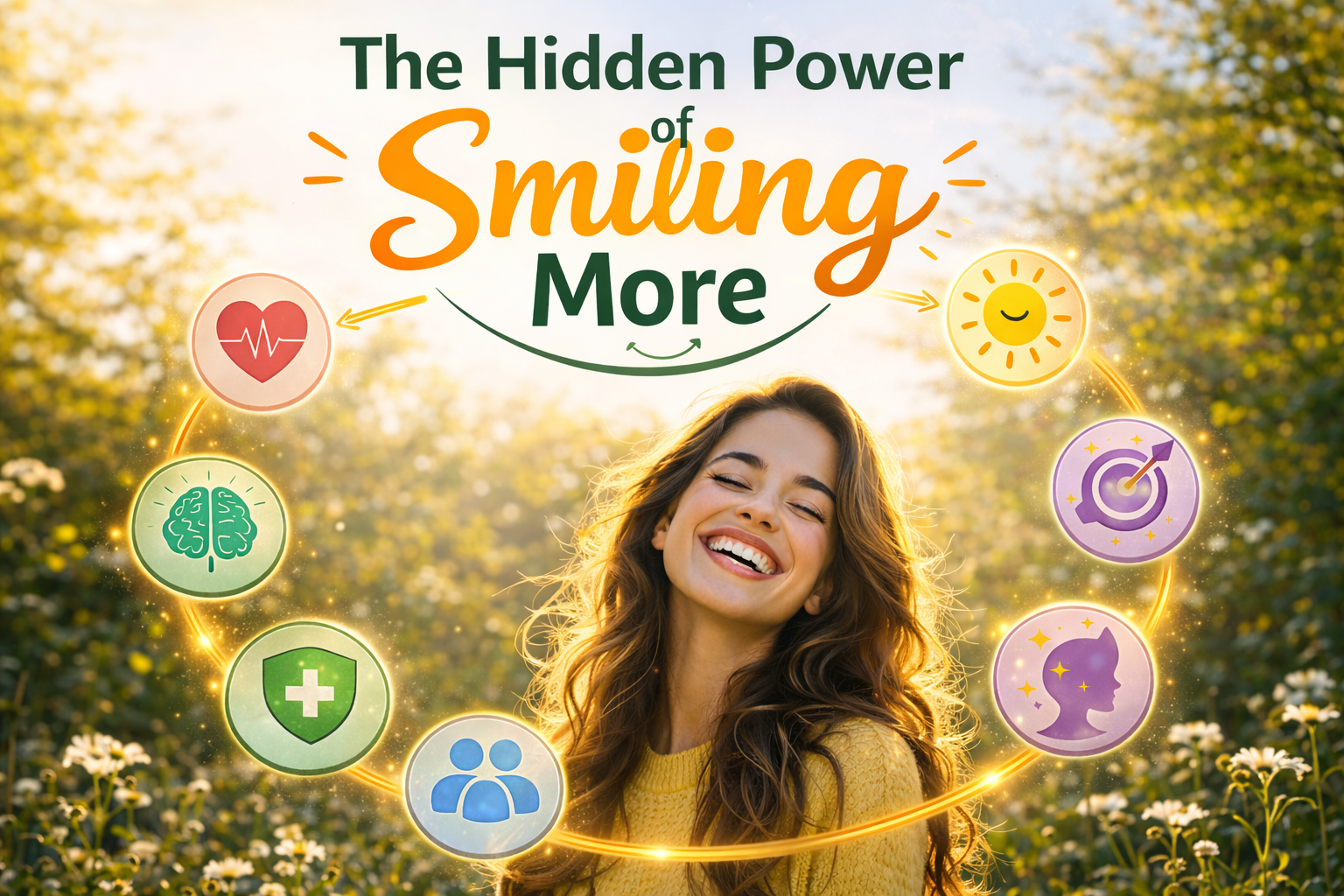
- Introduction to the Power of a Smile
- The Science Behind Smiling
- How Smiling Affects Your Brain Chemistry
- The Role of Mirror Neurons in Social Connection
- Psychological Benefits of Smiling
- Boosting Mood and Emotional Resilience
- Social Advantages of Smiling
- First Impressions and Likeability
- Strengthening Relationships
- Smiling and Professional Success
- Physical Health Benefits of Smiling
- Cultural Perspectives on Smiling
- Daily Habits to Smile More Often
- Common Barriers to Smiling
- Actionable Tips to Make Smiling Natural
Introduction to the Power of a Smile
A smile seems like one of the simplest things you can do. It takes just a few seconds, requires no effort, and costs absolutely nothing. Yet, its impact can be surprisingly powerful. Think about the last time someone smiled at you unexpectedly—didn’t it instantly shift your mood, even just a little? That’s the subtle magic of a smile. It has the ability to influence not only how others perceive you but also how you feel internally.
Most people underestimate smiling because it feels too basic to matter. In a world focused on productivity hacks, career strategies, and self-improvement systems, smiling often gets overlooked. But what if something so small could create ripple effects across your mental health, relationships, and even your professional life? That’s exactly what research suggests.
According to studies from institutions like the University of Kansas, smiling—even when it’s intentional—can reduce stress levels and lower heart rate during difficult situations. That means your body doesn’t just respond to genuine happiness; it also reacts to the physical act of smiling itself. It’s almost like a shortcut to feeling better.
The Science Behind Smiling
Smiling isn’t just a social gesture—it’s deeply rooted in biology and neuroscience. When you smile, a complex chain reaction begins inside your brain, influencing your emotions, your body, and even how others respond to you. It’s one of those rare actions where the inside and outside of your body work in perfect sync.
From a scientific perspective, smiling activates specific muscles in your face, particularly the zygomatic major muscle, which lifts the corners of your mouth. This movement sends signals to your brain, essentially telling it, “Something good is happening.” In response, your brain releases neurotransmitters like dopamine, serotonin, and endorphins—the same chemicals associated with happiness and well-being.
Understanding the science behind smiling helps you see it as more than just a reaction—it becomes a tool. And once you start using it intentionally, you’ll realize just how much control you have over your own emotional environment.
How Smiling Affects Your Brain Chemistry
When you smile, your brain responds in ways that go far beyond a temporary mood boost. It actually changes your internal chemistry, creating a cascade of positive effects that can influence your entire day.
The moment you smile, your brain releases dopamine, often called the “reward chemical.” This neurotransmitter is responsible for feelings of pleasure and motivation. At the same time, serotonin is released, which helps regulate mood and reduce feelings of stress or anxiety. Then come endorphins, your body’s natural painkillers, which promote a sense of relaxation and well-being.
There’s also an interesting feedback loop at play. The more you smile, the more your brain associates that action with positive feelings. Over time, this can make it easier for you to maintain a generally optimistic outlook.
Think of it like exercise for your brain. Just as physical workouts strengthen your muscles, smiling regularly strengthens your emotional resilience. It doesn’t eliminate challenges, but it makes them easier to handle.
The Role of Mirror Neurons in Social Connection
Have you ever noticed how contagious a smile can be? You see someone smiling, and before you know it, you’re smiling too. This isn’t just coincidence—it’s the work of mirror neurons in your brain.
Mirror neurons are specialized cells that activate both when you perform an action and when you observe someone else performing the same action. In simple terms, they allow you to “mirror” the emotions and behaviors of others. When you see a smile, your brain automatically processes it and often responds by creating a similar expression.
This mechanism plays a crucial role in building social connections. It helps you empathize with others, understand their emotions, and create a sense of shared experience. A smile can instantly make interactions feel more genuine and comfortable.
Psychological Benefits of Smiling
The psychological impact of smiling goes deeper than just feeling good in the moment. It can shape how you think, how you respond to challenges, and how you perceive the world around you.
One of the most significant benefits is its ability to shift your mindset. When you smile, even intentionally, you’re sending a signal to your brain that things are okay. This can help break cycles of negative thinking and create space for more constructive thoughts.
Smiling also enhances your sense of control over your emotions. Instead of being completely reactive, you gain a simple tool to influence your mood. This can be especially helpful during stressful or uncertain situations.
Boosting Mood and Emotional Resilience
Your mood isn’t as fixed as it might seem. In fact, it’s constantly shifting based on your thoughts, environment, and even your physical actions. Smiling plays a surprisingly important role in this process because it directly influences how your brain processes emotions. It’s not just a reflection of happiness—it can actually help create it.
When you smile, your brain releases dopamine, serotonin, and endorphins, which are all linked to feelings of pleasure and well-being. These chemicals don’t just improve your mood temporarily; they also help build emotional resilience over time. Emotional resilience is your ability to handle setbacks, adapt to challenges, and keep moving forward without being overwhelmed—and smiling contributes to strengthening that ability.
In a way, smiling acts like emotional armor. It doesn’t block out life’s difficulties, but it helps you absorb them without breaking. The more you practice it, the stronger that armor becomes, allowing you to navigate life with a steadier, more balanced mindset.
Social Advantages of Smiling
A smile is one of the most powerful social tools you have, and the best part is that it doesn’t require any special training or effort to use. In social situations, smiling acts like a bridge—it reduces distance, builds comfort, and creates an immediate sense of connection between people. Whether you’re meeting someone for the first time or interacting with familiar faces, your smile quietly shapes how others perceive and respond to you.
The ripple effect of smiling is hard to ignore. When you smile at someone, they’re more likely to smile back, creating a cycle of positivity that extends beyond a single interaction. Over time, these small moments build stronger social networks and more meaningful connections.
First Impressions and Likeability
First impressions are formed faster than most people realize—often within just a few seconds. In that brief window, your smile can be one of the most influential factors in how others perceive you. It’s not just about looking friendly; it’s about creating an immediate sense of trust and approachability.
When you smile during an introduction, you signal confidence and openness. People tend to interpret this as a sign that you’re easy to talk to and comfortable in your own skin. On the other hand, a neutral or tense expression can sometimes be misinterpreted as disinterest or aloofness, even if that’s not your intention.
Think of your smile as your personal introduction before you even speak. It tells people, “I’m approachable, I’m positive, and I’m open to connection.” In many cases, that’s all it takes to turn a brief encounter into a meaningful interaction.
Strengthening Relationships
elationships, whether personal or professional, are built on trust, communication, and emotional connection—and smiling contributes to all three in ways that often go unnoticed. It’s not just about making a good first impression; it’s about maintaining and deepening connections over time.
When you smile during conversations, it creates a sense of warmth and attentiveness. It shows that you’re engaged and present, which makes the other person feel valued. This is especially important in close relationships, where small gestures often carry significant emotional weight.
Smiling also helps during difficult moments. Disagreements and misunderstandings are a natural part of any relationship, but a calm, genuine smile can ease tension and open the door to more constructive communication. It signals that you’re willing to resolve issues rather than escalate them.
Smiling and Professional Success
n the professional world, technical skills and experience are important, but they’re not the only factors that determine success. Your attitude, communication style, and overall presence play a significant role—and smiling can enhance all of these.
A smile in the workplace signals confidence and positivity, two traits that are highly valued in any professional setting. Whether you’re interacting with colleagues, clients, or supervisors, smiling can make you appear more approachable and cooperative. This often leads to better collaboration and stronger working relationships.
Physical Health Benefits of Smiling
The benefits of smiling extend beyond your mind and social life—they also have a direct impact on your physical health. While it might seem surprising, something as simple as smiling can influence how your body functions on a biological level.
One of the most notable effects is its ability to reduce stress-related strain on the body. By lowering cortisol levels, smiling helps prevent the negative physical effects of chronic stress, such as high blood pressure and fatigue. This contributes to better overall health over time.
Smiling also promotes cardiovascular health. When your body is in a relaxed state, your heart rate and blood pressure tend to stabilize. This reduces the risk of heart-related issues and supports long-term wellness.
Cultural Perspectives on Smiling
While smiling is often considered a universal expression, its meaning and usage can vary across cultures. In some societies, smiling frequently is seen as a sign of friendliness and openness. In others, it may be reserved for more personal or meaningful interactions.
For example, in many Western cultures, smiling is commonly used in everyday interactions, even with strangers. It’s a way of signaling politeness and approachability. In contrast, some cultures place more emphasis on maintaining a neutral expression in public settings, viewing excessive smiling as unnecessary or even insincere.
Daily Habits to Smile More Often
miling more often doesn’t happen by accident—it’s something you can intentionally build into your daily routine. Small, consistent habits can make a big difference over time.
Start by becoming more aware of your expressions throughout the day. Notice when your face is tense or neutral, and gently shift it into a smile. It might feel unnatural at first, but it becomes easier with practice.
You can also create triggers for smiling. For example, use everyday moments—like checking your phone, walking outside, or greeting someone—as reminders to smile. These small cues help turn smiling into a natural habit.
Common Barriers to Smiling
If smiling is so beneficial, why don’t people do it more often? The answer usually lies in a combination of internal and external barriers.
Stress is one of the biggest factors. When you’re overwhelmed, smiling can feel like the last thing on your mind. Similarly, self-consciousness can prevent people from smiling freely, especially in social situations.
There’s also the misconception that smiling without a reason feels fake or unnecessary. This belief can hold people back from experiencing the benefits of even intentional smiling.
Recognizing these barriers is the first step toward overcoming them. Once you’re aware of what’s holding you back, you can start making small changes to shift your behavior.
Actionable Tips to Make Smiling Natural
Making smiling a natural part of your life doesn’t require drastic changes—it’s about small, practical steps that fit into your routine.
Start by practicing in low-pressure situations, like when you’re alone or with close friends. This helps you become more comfortable with your expression. Over time, it will feel more natural in broader social settings.