

Introduction
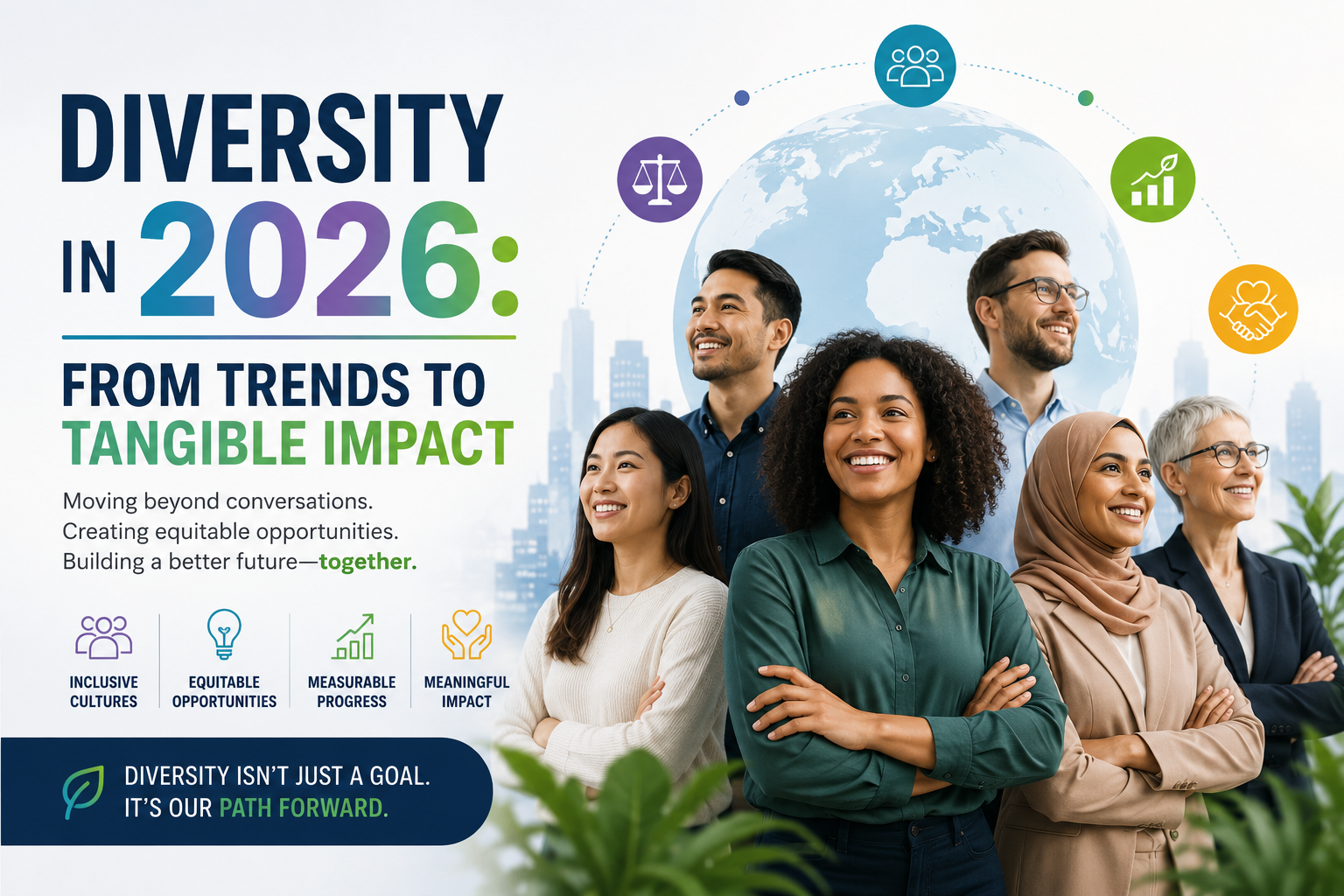
Diversity has been a buzzword for years—but in 2026, it’s no longer just about ticking boxes or following trends.
Organizations are now being held accountable for real, measurable impact. Employees, customers, and stakeholders expect more than statements—they want action.
So, what does diversity really look like today?
And more importantly, how can businesses turn it into something meaningful?
What Diversity Means in 2026
Diversity is no longer limited to gender or ethnicity. It now includes:
- Skills and experience
- Cultural background
- Thought processes and perspectives
- Age and generational differences
- Accessibility and inclusion
In 2026, diversity is about representation + inclusion + belonging.
Without inclusion, diversity alone doesn’t work.
Why Diversity Is No Longer Optional
Companies that treat diversity as optional are already falling behind.
Here’s why it matters now more than ever:
- Better decision-making: Diverse teams bring multiple perspectives
- Higher innovation: Different ideas lead to creative solutions
- Stronger employer branding: People want inclusive workplaces
- Improved performance: Inclusive companies outperform competitors
- Diversity is not just ethical—it’s a business advantage.
Key Diversity Trends in 2026
1. From Hiring to Belonging
Companies are shifting focus from just hiring diverse talent to making them feel included and valued.
It’s not enough to bring people in—you must make them stay.
2. Data-Driven Diversity
Organizations are now tracking:
- Hiring diversity metrics
- Promotion rates
- Employee satisfaction
This shift ensures accountability and transparency.
3. Inclusive Leadership
Leaders are expected to:
- Listen actively
- Encourage diverse opinions
- Create safe environments
Leadership behavior now defines workplace culture.
4. Remote Work and Global Diversity
Remote work has opened doors to:
- Global talent pools
- Cross-cultural collaboration
- Flexible work environments
Diversity is now borderless.
5. Focus on Mental and Emotional Inclusion
In 2026, inclusion also means:
- Supporting mental health
- Respecting personal boundaries
- Encouraging work-life balance
Employees are valued as humans—not just workers.
Turning Diversity into Tangible Impact
Many companies talk about diversity—but few implement it effectively.
Here’s how to create real change:
1. Build an Inclusive Culture
Create an environment where:
- Everyone feels heard
- Ideas are respected
- Differences are celebrated
Culture drives everything.
2. Set Clear Goals and Metrics
Without goals, diversity efforts fail.
Track:
- Hiring diversity
- Retention rates
- Leadership representation
Measure progress regularly.
3. Train Leaders and Teams
Provide training on:
- Unconscious bias
- Inclusive communication
- Cultural awareness
Awareness leads to better behavior.
4. Encourage Open Communication
Create safe spaces for employees to:
- Share feedback
- Voice concerns
- Suggest improvements
Listening builds trust.
5. Promote Equal Opportunities
Ensure fairness in:
- Promotions
- Salary
- Career growth
Equality is the foundation of true diversity.
Challenges Companies Still Face
Even in 2026, some challenges remain:
- Resistance to change
- Lack of leadership commitment
- Superficial diversity efforts
- Poor implementation
Recognizing these challenges is the first step to solving them.
The Future of Diversity
The future is not about policies—it’s about mindset.
Successful organizations will:
- Integrate diversity into their core values
- Focus on long-term impact
- Continuously improve
Diversity will no longer be a separate initiative—it will be part of everyday business.